

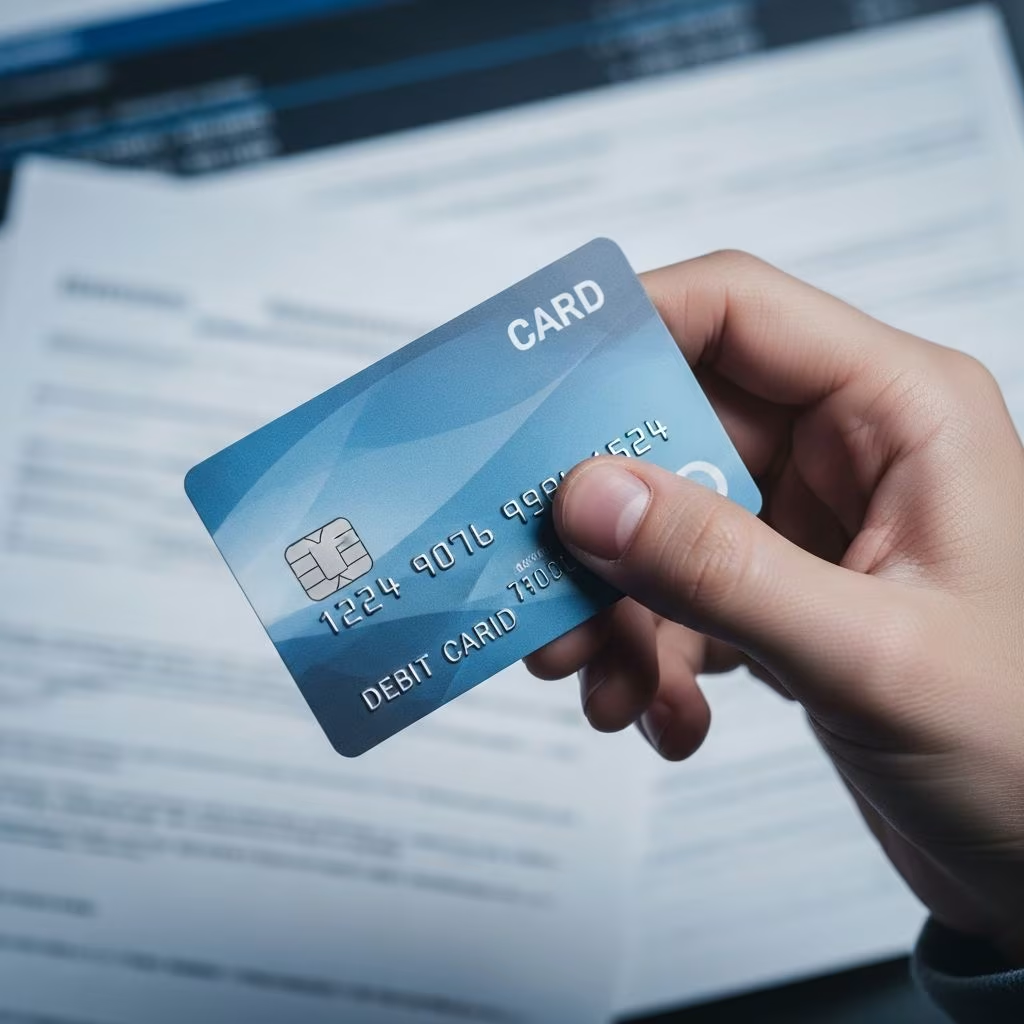
Debit cards provide children with a practical way to handle money, typically available from age 13 through special teen accounts that require parental involvement. Banks structure these options to promote financial education while maintaining oversight until legal adulthood at 18.
Understanding Debit Card Access for Young Users
Financial institutions recognize the value of early money management, offering debit cards linked to accounts designed for minors. These tools help kids practice budgeting without the risks of credit, as funds are drawn directly from the account balance. Parents often serve as co-owners, ensuring control and teachable moments.
The push for financial literacy starts young, with debit cards bridging allowance cash to digital transactions. Unlike cash, which offers no recovery if lost, debit cards provide security under federal laws like the Electronic Funds Transfer Act, allowing timely disputes for unauthorized charges.
Age Thresholds Across Major Banks
Most banks set the minimum age for debit cards at 13, but specifics vary. Teens aged 13-17 usually need a parent or guardian as co-owner, transitioning to independent accounts at 18. Here’s a comparison:
| Bank | Minimum Age | Account Type | Parental Requirement |
|---|---|---|---|
| KeyBank | 13+ | Hassle-Free Account | Authorized Minor User |
| Wells Fargo | 13+ | Clear Access Banking | Co-owner for 13-16 |
| Citizens Bank | 16+ | Teen Checking | Joint until 25 transition |
| Bank of America | 13+ | Student/Teen Options | Share ownership |
| U.S. Bank | Minors with adult | Teen Checking | Authorized transactor 18+ |
This table highlights common offerings; always verify with the bank for current policies.
Types of Accounts Suitable for Children
- Joint Checking Accounts: Parents and kids share ownership, both receiving debit cards. Ideal for teens 13+ demonstrating reliability. Requires ID from both parties at opening.
- Custodial Accounts: Adult opens and controls until child reaches 18-21. Funds are child’s, but parent manages access.
- Teen-Specific Checking: Tailored for 13-17, often with no fees if conditions met, like direct deposit. Includes debit cards and apps for tracking.
- Prepaid Debit Cards: No bank account needed; load funds manually. Available from age 5-13, with spending limits and alerts. Great starter for younger kids.
Choosing depends on the child’s maturity and needs, such as school expenses or first jobs.
Signs Your Child is Ready for a Debit Card
Readiness trumps a specific age; observe behaviors like consistent allowance management or saving for goals. Key indicators include:
- Earning income from jobs like babysitting or part-time work, needing a way to deposit and spend.
- Handling daily transactions responsibly, such as buying lunch without overspending.
- Understanding basics: needs vs. wants, online safety, and reporting lost cards.
- Tech comfort for app-based monitoring and digital wallets.
Introduce gradually: start with low limits, review statements weekly, and discuss choices to build skills.
Opening Process: What Parents Need
To open a minor’s account:
- Visit a branch or apply online; both parent and child often required in person for under-17.
- Provide IDs: parent’s driver’s license or passport, child’s birth certificate or student ID.
- Proof of address like utility bills.
- Enroll in online banking for controls and transfers.
For 17+, some banks allow solo openings. Fees may apply post-25 without waivers.
Benefits of Early Debit Card Introduction
Debit cards foster independence:
- Convenience: Tap, swipe, or use online for shopping without cash.
- Security: Fraud protection if reported promptly; no debt risk like credit.
- Learning Tools: Apps show balances, categorize spends, teaching budgeting.
- Direct Deposit: Earnings from jobs auto-deposit, encouraging saving.
Studies show early financial education correlates with better adult habits, reducing debt and improving savings.
Implementing Parental Controls and Rules
Safety features are standard:
| Feature | Benefits | Examples |
|---|---|---|
| Spending Limits | Cap daily/weekly use | $50/day |
| Real-Time Alerts | Text/email on transactions | Instant notifications |
| Card Lock | Disable remotely | Lost card protection |
| Transaction Monitoring | View history online | Joint app access |
Set rules upfront: approved uses (e.g., groceries, not impulse buys), emergency protocols, and regular reviews. This builds trust and accountability.
Debit vs. Prepaid vs. Credit for Kids
Debit: Bank-linked, teaches real money use from 13+.
Prepaid: Reloadable, no overdraft risk, younger access.
Credit: Avoid for minors; builds debt if mismanaged. Use secured versions post-18.
Start with prepaid for toddlers, debit for teens.
Frequently Asked Questions
Can a 12-year-old get a debit card?
Typically no for bank debit cards; prepaid options may allow younger, but check terms.
Do teens need a Social Security number?
Yes for bank accounts; alternatives for prepaid.
What if my teen overspends?
Overdraft protection or alerts prevent; discuss and adjust limits.
Are there fees for teen accounts?
Often waived with direct deposit or balance minimums; compare banks.
Can debit cards be used internationally?
Yes, notify bank first; watch for fees.
Building Long-Term Financial Habits
Debit cards are a gateway to saving, investing basics. Pair with discussions on goals, compound interest. Transition at 18 to full accounts, preparing for credit and loans. Consistent guidance yields lifelong benefits.
Monitor progress, celebrate milestones like saving for a bike. This hands-on approach demystifies finance, empowering future independence.
References
- At What Age Should Your Child Get A Debit Card? — Bankrate. 2023. https://www.bankrate.com/credit-cards/advice/when-to-give-your-child-a-debit-card/
- At What Age Should a Child Get a Debit Card? — KeyBank. 2024. https://www.key.com/personal/financial-wellness/articles/what-age-first-debit-card.html
- Debit Card for Teens: Everything You Should Consider — Citizens Bank. 2024. https://www.citizensbank.com/learning/debit-cards-for-teens.aspx
- How to open a bank account for a minor — U.S. Bank. 2024. https://www.usbank.com/bank-accounts/how-to-open-a-bank-account-for-a-minor.html
- Student and Teen Checking — Wells Fargo. 2025. https://www.wellsfargo.com/checking/student/
- Debit or Credit Card: What’s Best for Kids? — Sunflower Bank. 2023. https://www.sunflowerbank.com/about-us/resource-articles/debit-or-credit-card-what-rsquo;s-best-for-kids/
- Bank Account Options for Kids, Teens, Students & Young Adults — Bank of America. 2024. https://info.bankofamerica.com/en/student-banking/banking-accounts
This article is general information, not personal financial advice. Consider your own situation, or speak with a licensed adviser, before acting on it.


