

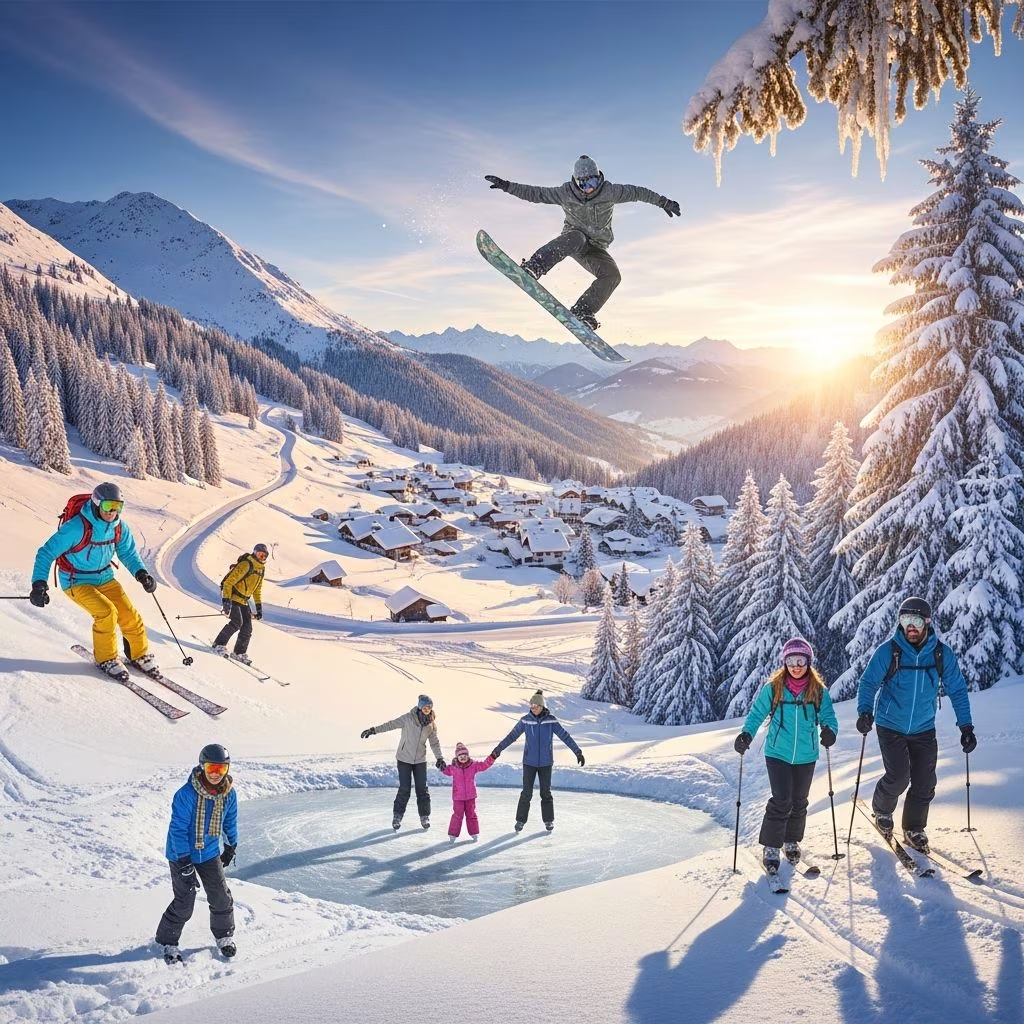
Specialized travel insurance for winter sports provides critical protection against the unique risks of skiing, snowboarding, and other snow-based activities, including medical emergencies, equipment loss, and trip interruptions.
Why Specialized Coverage Matters for Snow Adventures
Standard travel policies often exclude high-risk activities like downhill skiing or off-piste snowboarding, leaving travelers exposed to substantial financial and health risks. Winter sports insurance bridges this gap by offering tailored benefits for remote mountain environments where accidents are common.
In snowy terrains, injuries from falls, avalanches, or altitude sickness can require immediate helicopter evacuations costing tens of thousands of dollars. Without proper coverage, these expenses fall on the traveler. Policies designed for winter pursuits typically include emergency medical transport, on-site treatment, and repatriation, ensuring access to care even in isolated resorts.
Core Coverages in Winter Sports Policies
Comprehensive plans address multiple scenarios specific to cold-weather trips. Key protections include:
- Emergency Medical and Evacuation: Covers helicopter rescues from slopes, hospital stays, and transport home if needed. Costs for these can exceed $50,000 without insurance.
- Equipment Protection: Reimburses for stolen, lost, or damaged skis, boards, boots, and accessories, often including rental fees during delays.
- Trip Cancellation and Interruption: Refunds non-refundable costs if illness, injury, or severe weather prevents participation.
- Piste Closure Compensation: Pays for unused lift passes or lessons if resorts close due to insufficient snow, avalanches, or storms.
- Search and Rescue: Funds organized operations if you’re lost in backcountry areas.
- Liability Coverage: Handles legal fees if you accidentally injure someone or damage their property on the slopes.
These features make winter sports insurance indispensable for trips involving pre-paid expenses like flights, lodging, and gear rentals.
Activities Typically Included and Exclusions to Watch
Most policies cover recreational winter pursuits on marked trails, such as:
- Downhill skiing and snowboarding (piste and some off-piste within resort bounds)
- Cross-country skiing on groomed paths
- Ice skating, sledding, and snow tubing at resorts
- Snowshoeing and beginner glacier walks (in higher-tier plans)
However, extreme activities like heli-skiing, ice climbing above certain altitudes, or backcountry expeditions often require add-ons or premium plans. Always verify policy wording for terms like “winter sports rider” or “adventure sports coverage.” Competitions, professional training, or using non-resort-approved guides may void claims.
| Activity Type | Standard Coverage | Requires Add-On |
|---|---|---|
| On-piste skiing/snowboarding | Yes | No |
| Off-piste within resort | Usually | Sometimes |
| Heli-skiing | No | Yes |
| Backcountry | No | Yes, specialized |
| Snowmobiling on trails | Yes | No |
Medical Risks and How Insurance Responds
Winter sports expose participants to frostbite, concussions, spinal injuries, and high-altitude pulmonary edema. Overseas trips compound issues, as domestic health plans rarely cover international care. Robust policies pay for doctor visits, X-rays, surgeries, and medications abroad, often up to $500,000 or more in limits.
Evacuation clauses activate for remote incidents, coordinating with local rescue teams. For instance, a stranded snowboarder in the Alps might need a winch-equipped helicopter, a service billed at premium rates without insurance.
Protecting Your Gear and Belongings
High-end winter equipment—skis ($1,000+), boots ($600+), goggles, and helmets—represents significant investment. Policies typically offer $1,000–$3,000 in coverage per item, plus daily rental allowances (e.g., $50/day up to 14 days) if bags are delayed.
Luggage protections extend to clothing and personal items, crucial when airlines mishandle checked gear en route to resorts.
Handling Weather and Trip Disruptions
Blizzards, avalanches, or melt-offs can derail plans. Insurance reimburses for closed lifts (e.g., $100–$200/day per unused pass) and covers delays from storms, including extra meals and lodging. Trip interruption benefits kick in for early returns due to covered events.
Choosing the Right Plan: Factors to Consider
Select based on trip details:
- Destination Risk: Remote areas like the Rockies or European Alps need higher evacuation limits.
- Trip Cost: Match cancellation coverage to total prepaid expenses.
- Activity Level: Beginner piste runs suit basic plans; experts need epic options for off-piste.
- Group Size: Family policies often bundle kids’ gear at no extra cost.
Compare providers via aggregators, prioritizing those with 24/7 assistance hotlines and high customer ratings. Annual multi-trip plans save money for frequent adventurers.
| Plan Tier | Medical Limit | Equipment Limit | Best For |
|---|---|---|---|
| Standard | $100K–$500K | $1K–$2K | Resort skiing |
| Explorer | $500K–$1M | $2K–$5K | Off-piste |
| Epic | $1M+ | $5K+ | Extreme/backcountry |
Alternatives and Cost-Saving Tips
Review credit cards for built-in trip delay or baggage perks before buying standalone coverage. Resort passes or lift ticket insurance may handle closures but skip medical/evacuation. European travelers should pair with EHIC/GHIC for basics, adding private insurance for gaps.
Buy early—pre-existing conditions must be stable for coverage. Expect premiums at 4–8% of trip cost; a $5,000 ski vacation might run $200–$400.
Frequently Asked Questions
Does standard travel insurance cover skiing?
No, most exclude winter sports; add a rider or choose a specialized policy.
What’s covered for equipment loss?
Theft, damage, or delay reimbursements, often with rental coverage up to specified limits.
Are off-piste activities insured?
Typically within resort boundaries; backcountry requires premium add-ons.
Does it cover avalanche closures?
Yes, many reimburse lift passes and provide delay benefits.
Is helicopter rescue included?
Final Thoughts on Safeguarding Your Winter Getaway
Investing in winter sports travel insurance transforms potential disasters into manageable claims, letting you focus on powder days. Review policies meticulously and contact providers for activity confirmations before hitting the slopes.
References
- AXA Travel Insurance for Your Winter Sports Adventures — AXA. 2025. https://www.axatravelinsurance.com/resources/guides/winter-sports-travel
- Winter Sports Travel Insurance: What to Know — Experian. 2025. https://www.experian.com/blogs/ask-experian/winter-sports-travel-insurance/
- Winter Sports Insurance: Are You Covered? — International Insurance. 2025. https://www.internationalinsurance.com/plans/winter-sports-travel-insurance/
- Skiing and Snowboarding Travel Insurance Coverage — World Nomads. 2025. https://www.worldnomads.com/usa/travel-insurance/activities/ski-snowboard-travel-insurance
- Travel Insurance Winter Sports — Backcountry Insurance. 2025. https://backcountryinsurance.com/travel-insurance-winter-sports/
- Snowboard & Ski Travel Insurance — Squaremouth. 2025. https://www.squaremouth.com/plans/adventure-sports/snowboarding-ski-travel-insurance
This article is general information, not personal financial advice. Consider your own situation, or speak with a licensed adviser, before acting on it.


