

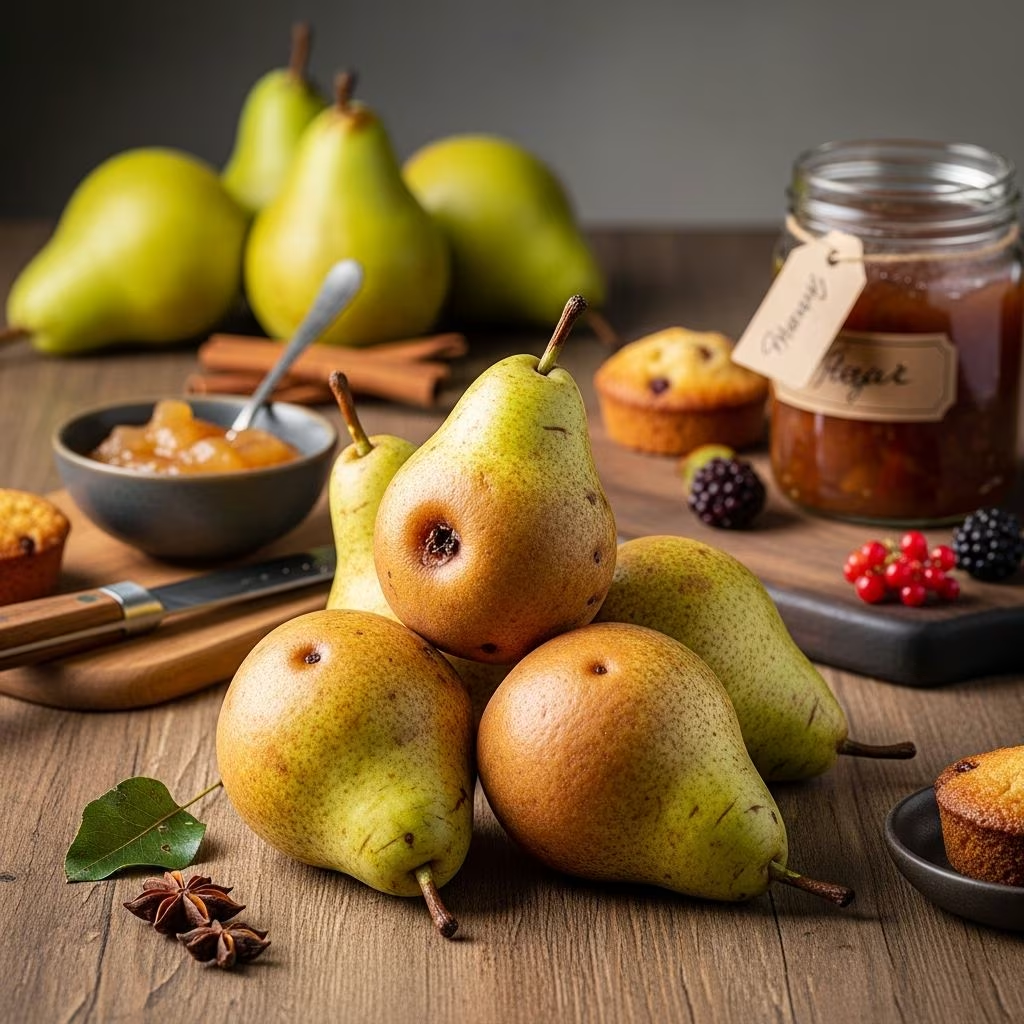
Overripe pears don’t have to end up in the trash. These soft, sweet fruits are perfect for a variety of recipes that preserve their flavor and texture while helping you save money on groceries. Whether you have a bumper crop from your tree or grabbed too many at the market, transforming overripe pears into jams, sauces, baked goods, or frozen treats reduces food waste and stocks your pantry with homemade goodies. Pears ripen from the inside out, so when they’re mushy outside, the interior is ideal for cooking down into smooth purees or chunky preserves. This guide covers multiple methods, from quick smoothies to long-term canning, ensuring you make the most of every pear.
Why Overripe Pears Are Perfect for Preserving
Overripe pears offer intense sweetness and soft texture that’s subpar for fresh eating but excellent for processing. Unlike firm pears best for slicing or salads, mushy ones break down easily during cooking, creating thick syrups and purees without extra sugar. According to pear storage experts, ripe pears should be used within days of softening to avoid mealiness, making prompt preservation key. Home preserving not only saves money—canned pears cost pennies per serving compared to store-bought—but also lets you control ingredients, avoiding preservatives. Common varieties like Bartlett or Bosc work well; peel, core, and chop them to start. Always use clean equipment to ensure safety, especially for canning.
Make Homemade Pear Preserves
Pear preserves capture the fruit’s essence in a sweet, chunky jam perfect for toast, yogurt, or cheese boards. This method uses overripe pears’ natural sugars for a thick syrup without pectin.
Ingredients (for about 6 half-pint jars):
- 3 lbs overripe pears (about 16 cups peeled, cored, diced)
- 1 cup brown sugar
- 4 cups white sugar
- Juice of 1 lemon
- 2 cups water
- Seeds from ½ vanilla bean (optional for flavor)
Instructions:
- Combine all ingredients in a thick-bottomed pot. Bring to a boil, then simmer on medium-low for 1.5-2 hours, stirring occasionally to prevent scorching. Pears will soften and syrup thicken.
- For canning: Fill hot sterilized jars, leaving ¼-½ inch headspace. Wipe rims, apply lids finger-tight. Process in boiling water bath for 10-12 minutes.
- Cool jars overnight; check seals. Unopened preserves last 1-2 years in a cool pantry; refrigerate opened jars up to 2 months.
Freezing is an alternative: cool preserves and store in airtight bags for up to 6 months, though texture may soften upon thawing. These preserves add a luxurious touch to pancakes or gift baskets, maximizing your pear haul’s value.
Turn Them Into Pear Sauce or Puree
Similar to applesauce, pear sauce is a versatile staple for snacks, baking, or baby food. Overripe pears cook down smoothly without straining.
Quarter pears, remove cores (skins optional for rustic texture), and simmer with a splash of water or lemon juice until soft, about 20-30 minutes. Blend smooth; sweeten lightly if needed. Lemon prevents browning. Use immediately, freeze in portions, or can: pack into jars, cover with boiling water (leave ½-inch headspace), and process pints 25 minutes or quarts 30 minutes in a water bath. Sugar-free versions shine in yogurt or oatmeal. For spiced pear sauce, add cinnamon and nutmeg during cooking. This method yields soft, spreadable results ideal for overripe fruit.
Freeze Pears for Later Use
Freezing is the simplest way to preserve overripe pears without cooking. Use ripe-but-not-mushy for best texture, though softer ones work for purees.
Two Methods:
- Syrup Pack: Peel, core, slice pears. Dip in lemon water (1 tsp ascorbic acid or lemon juice per cup water) to prevent browning. Boil light syrup (2 cups sugar to 3 cups water), blanch slices 1-2 minutes, cool, bag, and freeze up to 6 months.
- Dry Pack: Slice treated pears, freeze flat on a sheet until solid, then transfer to bags. Great for baking straight from freezer.
Frozen pears thaw for smoothies, pies, or sauces. This no-cook option saves time and electricity compared to canning.
Bake Delicious Pear Treats
Overripe pears shine in baked goods where their moisture adds tenderness. Puree them first for even distribution.
- Pear Bread or Muffins: Substitute mashed pears for bananas in recipes. Mix 2 cups puree with flour, eggs, sugar, baking soda, and spices. Bake into loaves or muffins.
- Pear Crisp/Crumble: Chop pears, top with oats, brown sugar, butter crumble. Bake 30-40 minutes at 375°F.
- Pear Butter: Slow-cook pureed pears with vanilla and spices for 2-3 hours until thick like apple butter. Spread on toast or swirl into cookies.
These treats use pears’ sweetness to cut added sugar, perfect for breakfast or desserts.
Can Pears in Light Syrup
Canning whole or halved pears extends shelf life to a year. Use firm-overripe pears to hold shape.
Peel, halve, treat with lemon water. Pack hot jars, cover with boiling light syrup (1-2 cups sugar per quart water). Process pints 20 minutes, quarts 25. Check seals after cooling. Enjoy in salads, yogurt, or straight from the jar. This method preserves texture better than purees.
Other Creative Uses
- Smoothies: Blend with yogurt, banana, spinach for nutrient-packed drinks.
- Ice Pops: Puree pears, mix with juice, freeze in molds.
- Pear Jam: Cook with pectin for toastable spread.
Pro Tip: Compost unusable parts; pear peels make great mulch.
How to Store and Ripen Pears Properly
Prevent future waste: Store unripe pears at room temp; refrigerate ripe ones at 35-45°F. Speed ripening in paper bags with bananas. Check neck firmness for ripeness—yield but not mushy.
Frequently Asked Questions (FAQs)
Q: Can I use overripe pears for canning?
A: Yes, for purees or sauces, but choose firmer ones for whole packing to avoid mushiness.
Q: How long do canned pear preserves last?
A: 1-2 years unopened in pantry; 2 months refrigerated once opened.
Q: What’s the best way to prevent browning?
A: Dip in lemon juice-water mix before processing.
Q: Can I freeze pear preserves?
A: Yes, in bags up to 6 months, but texture may change.
Q: Are sugar-free canned pears safe?
A: Yes, process in water bath as usual.
References
- Homemade Pear Preserves — Earth, Food, and Fire. 2023. https://www.earthfoodandfire.com/homemade-pear-preserves/
- Pear Storage and Usage Tips — Stemilt Growers. 2024. https://www.stemilt.com/pear-storage/
- How to Can Pears without Sugar — The Prairie Homestead. 2014-09-01. https://www.theprairiehomestead.com/2014/09/how-to-can-pears-without-sugar.html
- How to Home Can Pears (Pears in Light Syrup) — Mommy’s Kitchen. 2019-10-01. https://www.mommyskitchen.net/2019/10/how-to-home-can-pears-pears-in-light.html
- How to Use Overripe Pears: 10 Recipes to Try Out — Fine Dining Lovers. 2023. https://www.finedininglovers.com/explore/articles/how-use-overripe-pears-10-recipes-try-out
This article is general information, not personal financial advice. Consider your own situation, or speak with a licensed adviser, before acting on it.


