

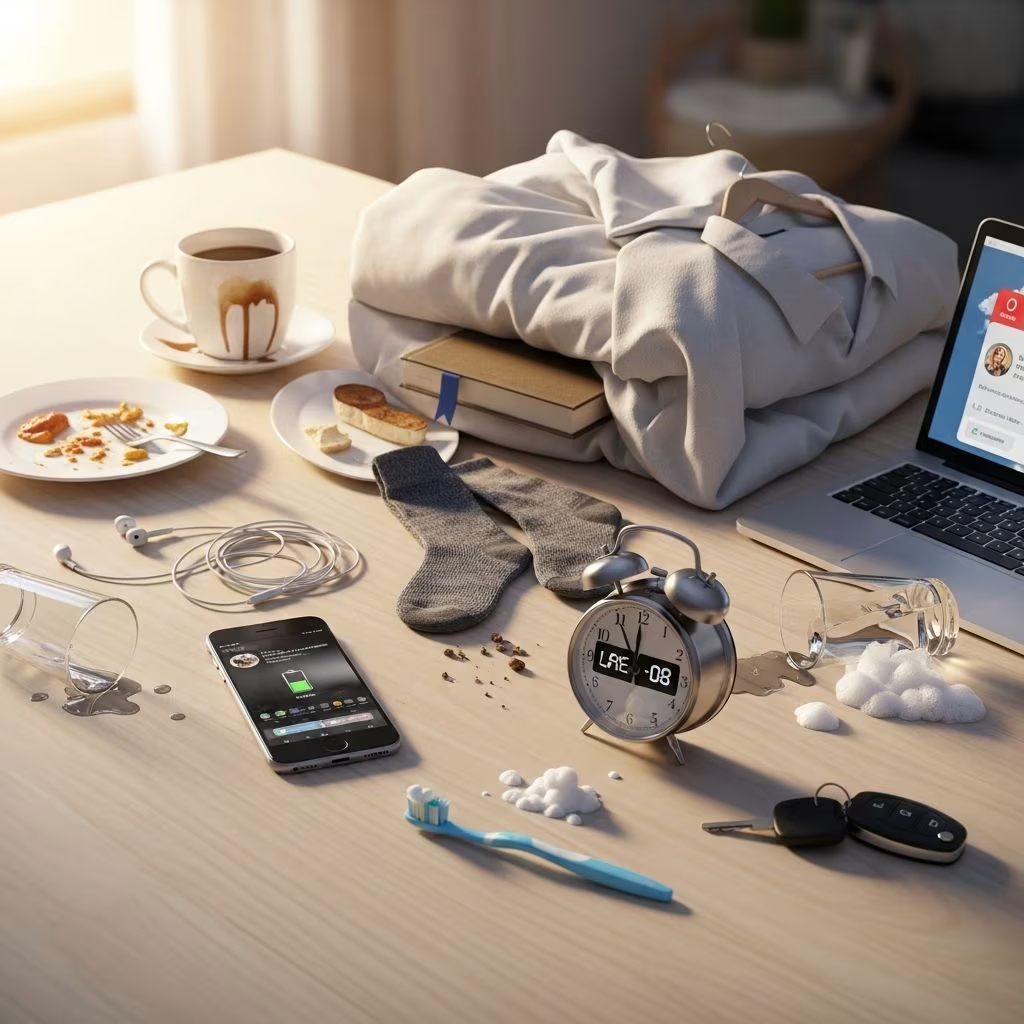
Good mornings make for better days. Make sure you’re avoiding these bad habits in order to set yourself up for success from the moment you wake up. Your pre-noon routine influences everything from your energy levels and productivity to your financial health. This article breaks down 12 common pitfalls people fall into before noon and provides practical, easy-to-implement fixes backed by expert insights.
1. Hitting Snooze on Your Alarm
The snooze button might feel like a small mercy, but it disrupts your sleep cycle. When you hit snooze, you enter a shallow sleep phase that leaves you groggier than if you’d woken up right away. Sleep experts from the National Sleep Foundation emphasize that fragmented sleep reduces alertness throughout the day.
How to fix it:
- Place your alarm clock across the room to force you out of bed.
- Use apps like Alarmy that require solving puzzles to turn off.
- Shift your bedtime earlier by 15 minutes each night until you get 7-9 hours of sleep.
Consistent wake-up times align your circadian rhythm, boosting morning energy naturally.
2. Checking Your Phone First Thing
Reaching for your smartphone immediately floods your brain with dopamine hits from notifications, emails, and social media. This scatters focus and spikes stress hormones like cortisol. A study by the American Psychological Association links early screen time to heightened anxiety.
How to fix it:
- Charge your phone outside the bedroom overnight.
- Implement a 30-minute ‘no-screen’ rule upon waking.
- Replace scrolling with mindfulness practices like deep breathing or journaling.
This simple change can improve concentration by up to 40%, according to productivity research.
3. Skipping Breakfast
Many rush out without eating, leading to mid-morning crashes in blood sugar and focus. Harvard Medical School reports that breakfast eaters have better cognitive function and weight control. Skipping it often leads to overeating later, impacting finances too.
How to fix it:
- Prep overnight oats or smoothies the night before.
- Keep portable options like nuts, yogurt, or fruit handy.
- Aim for protein and fiber combos to sustain energy.
| Quick Breakfast Idea | Prep Time | Cost per Serving |
|---|---|---|
| Peanut Butter Banana Toast | 2 min | $0.50 |
| Greek Yogurt Parfait | 3 min | $0.75 |
| Egg Muffin | 5 min | $0.40 |
4. Drinking Coffee on an Empty Stomach
Black coffee first thing irritates the stomach lining and amplifies caffeine’s jittery effects without food to buffer it. The Mayo Clinic advises pairing caffeine with nourishment to avoid acid reflux and crashes.
How to fix it:
- Wait 30-60 minutes after waking before coffee.
- Have a small snack like an apple or handful of almonds first.
- Hydrate with water infused with lemon beforehand.
This stabilizes absorption and enhances coffee’s benefits.
5. Not Hydrating Properly
Overnight, you lose up to a pint of water through breathing and sweat. Dehydration impairs cognition by 20%, per CDC guidelines. Morning thirst often masquerades as hunger.
How to fix it:
- Drink 16-20 oz of water immediately upon waking.
- Add electrolytes if you exercise early.
- Use a bedside water bottle as a reminder.
6. Rushing Your Morning Hygiene
Hurried brushing, flossing, or showering leads to poor oral health and skin issues. The American Dental Association notes inadequate routines contribute to cavities and gum disease, costing thousands long-term.
How to fix it:
- Follow a 2-minute brushing timer with flossing.
- Layer skincare: cleanse, moisturize, protect (SPF).
- Multitask mindfully, like shower podcasts without rushing.
7. Ignoring Exercise
Sitting for morning emails before moving stiffens muscles and lowers metabolism. CDC recommends 150 minutes weekly of moderate activity; mornings prime endorphins for the day.
How to fix it:
- Start with 10-minute yoga or walks.
- Do bodyweight circuits: squats, push-ups, planks.
- Schedule it like an appointment.
Morning movers report 25% higher productivity, per fitness studies.
8. Multitasking During Meals
Eating while checking emails leads to overeating and poor digestion. Mindful eating, as per UCLA research, aids portion control and satisfaction.
How to fix it:
- Eat at a table without devices.
- Chew slowly, savor flavors.
- Portion plates to avoid mindless seconds.
9. Not Planning Your Day
Winging it causes decision fatigue. Prioritizing top 3 tasks, as in the Eisenhower Matrix, saves mental energy.
How to fix it:
- Use a planner for MITs (Most Important Tasks).
- Review goals nightly for seamless mornings.
- Batch similar tasks.
10. Checking Finances Impulsively
Morning bank app checks can trigger stress buys. Frugal experts advocate routine tracking without emotional reacts.
How to fix it:
- Set weekly review times.
- Use apps like Mint for automated insights.
- Focus on progress, not perfection.
11. Neglecting Gratitude or Mindfulness
Starting stressed invites negativity. Positive psychology from Mayo Clinic shows gratitude journaling boosts resilience.
How to fix it:
- List 3 gratitudes daily.
- Meditate 5 minutes via apps like Headspace.
- Affirm intentions.
12. Commuting Without Prep
Unprepared travel wastes time and money. Pre-packing saves gas and stress.
How to fix it:
- Pack bags night before.
- Plan routes, check traffic.
- Car-kit essentials: water, snacks, charger.
Frequently Asked Questions (FAQs)
Q: How long does it take to build a new morning routine?
A: Typically 21-66 days, per University College London research. Consistency trumps perfection.
Q: What if I’m not a morning person?
A: Gradual adjustments like dim lights and consistent sleep work wonders. Avoid all-nighters.
Q: Can these fixes save money?
A: Yes—prep reduces impulse buys, efficient routines cut waste, mindful eating saves on takeout.
Q: What’s the biggest morning mistake?
A: Phone dependency; it derails focus and amps anxiety first thing.
Q: How do I stay motivated?
A: Track wins weekly, reward milestones, share with an accountability partner.
Implementing these changes can revolutionize your days. Small tweaks yield big results in health, productivity, and savings.
References
- Sleep Duration Recommendations — National Sleep Foundation. 2020-10-01. https://www.sleepfoundation.org/how-much-sleep-do-we-really-need
- Technology and Anxiety — American Psychological Association. 2023-06-15. https://www.apa.org/topics/anxiety/technology
- Benefits of Breakfast — Harvard T.H. Chan School of Public Health. 2024-02-20. https://www.hsph.harvard.edu/nutritionsource/breakfast/
- Caffeine and Digestion — Mayo Clinic. 2025-01-10. https://www.mayoclinic.org/healthy-lifestyle/nutrition-and-healthy-eating/in-depth/caffeine/art-20045678
- Physical Activity Guidelines — Centers for Disease Control and Prevention (CDC). 2024-11-05. https://www.cdc.gov/physical-activity-basics/guidelines/adults.html
- Mindful Eating — Mayo Clinic. 2023-09-12. https://www.mayoclinic.org/healthy-lifestyle/weight-loss/in-depth/mindful-eating/art-20509010
This article is general information, not personal financial advice. Consider your own situation, or speak with a licensed adviser, before acting on it.


