

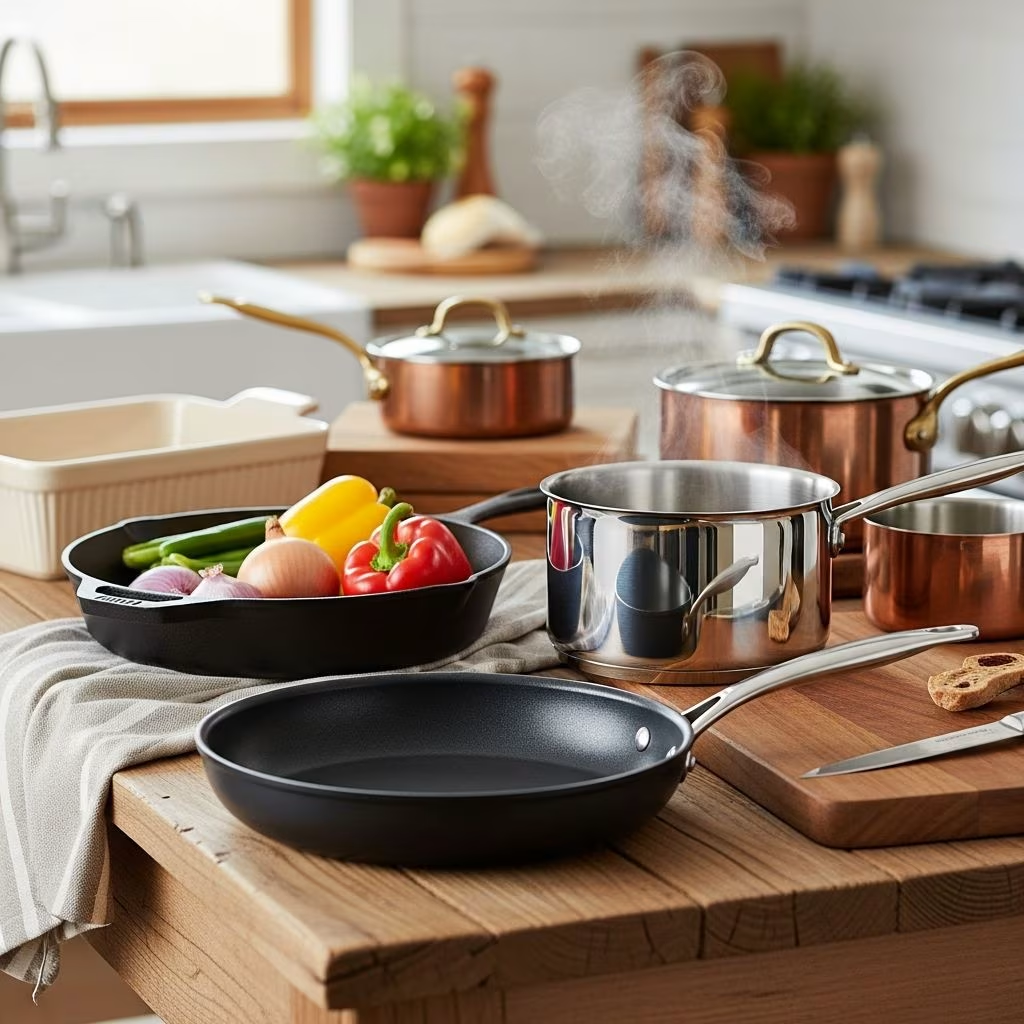
Choosing the right cookware is essential for efficient cooking, better flavors, and long-lasting kitchen tools. With so many materials like **stainless steel**, **cast iron**, **nonstick**, and **copper** available, it’s easy to feel overwhelmed. This guide breaks down the pros and cons of each material, highlights essential pieces every kitchen needs, and offers tips on building a versatile set that fits your cooking style and budget.
Understanding Cookware Materials
The foundation of great cookware starts with the material. Each type excels in specific tasks, from high-heat searing to delicate sautéing. Here’s a detailed look at the most popular options, grounded in their heat conductivity, durability, and reactivity.
Stainless Steel
**Stainless steel** is a kitchen workhorse due to its durability, versatility, and non-reactive nature. Multi-ply constructions with aluminum or copper cores ensure even heat distribution, making it ideal for sautéing, braising, and oven use up to high temperatures.
- Pros: Withstands high heat; non-reactive with acidic foods like tomatoes; dishwasher-safe; long-lasting.
- Cons: Food can stick if not preheated properly; requires oil for best release.
- Best for: Everyday cooking, searing meats, making sauces without flavor transfer.
Look for fully clad (multi-ply) stainless steel for superior performance, such as All-Clad or Viking sets.
Nonstick (PTFE and Ceramic)
Nonstick cookware, including traditional PTFE (Teflon) and ceramic options, shines for low-fat cooking and easy cleanup. Ceramic nonstick, like GreenPan, offers a PTFE-free alternative that’s eco-friendly and scratch-resistant.
- Pros: Effortless food release for eggs, pancakes; minimal oil needed; simple to clean.
- Cons: Lower heat tolerance (avoid high heat); coating wears over time (1-5 years).
- Best for: Delicate foods, quick meals, beginners.
Brands like Swiss Diamond use diamond-infused coatings for durability.
Cast Iron and Enameled Cast Iron
**Cast iron** retains heat exceptionally well, perfect for searing and slow cooking. Enameled versions from Le Creuset or Staub add convenience by eliminating seasoning needs and resisting acidity.
- Pros: Superior heat retention; naturally nonstick when seasoned; oven-safe; affordable longevity.
- Cons: Heavy; bare cast iron reacts with acids and requires maintenance.
- Best for: Frying, baking cornbread, Dutch oven braises.
Enameled cast iron combines cast iron’s strengths with enamel’s ease.
Copper
**Copper** provides unmatched heat responsiveness, favored by pros for precise temperature control. It’s often lined with stainless steel to prevent reactions.
- Pros: Excellent conductivity; quick heating/cooling.
- Cons: Expensive; requires polishing; reactive if unlined.
- Best for: Sauces, delicate tasks.
Carbon Steel
Lighter than cast iron, **carbon steel** develops a natural nonstick patina and handles high heat well.
- Pros: Lightweight; great for searing/stir-frying; improves with use.
- Cons: Needs seasoning; not for acidic foods initially.
- Best for: Woks, high-heat cooking.
Other Materials: Aluminum and Granite
Anodized aluminum heats quickly and evenly, while granite-coated pans offer durable nonstick. Avoid unanodized aluminum due to reactivity.
Pros and Cons Comparison Table
Use this table to compare materials at a glance:
| Material | Heat Conductivity | Durability | Nonstick | Price | Best Use |
|---|---|---|---|---|---|
| Stainless Steel | Excellent (clad) | High | With oil | Medium-High | Versatile daily |
| Nonstick | Good | Medium | Excellent | Low-Medium | Delicate foods |
| Cast Iron | Excellent retention | Very High | Seasoned | Low | Searing, baking |
| Copper | Superior | High | Lined | High | Precision |
| Carbon Steel | Very Good | High | Seasoned | Low-Medium | High-heat |
Essential Cookware Pieces for Every Kitchen
Not all cookware is created equal—focus on these **must-haves** based on cooking frequency:
- 8-inch skillet: Single eggs, sauces.
- 10-12 inch skillet: Most searing, one-pan meals.
- 3-4 qt sauté pan: Large batches, stir-fries (lidded).
- 1.5-2 qt saucepan: Grains, small sauces.
- 8-10 qt stockpot: Pasta, soups (family size).
- Dutch oven (5-7 qt): Stews, breads.
- Bonus: Griddle for pancakes, sheet pans for roasting.
Start with 5-7 pieces for versatility without clutter.
Building Your Cookware Set
A good set balances materials: stainless for versatility, nonstick for ease, cast iron for heat. Consider:
- Cooking style: Frequent searing? Prioritize stainless/carbon steel. Low-fat? Nonstick.
- Stovetop/oven compatibility: Induction-ready bases; oven-safe up to 500°F+.
- Handles: Stay-cool, riveted stainless.
- Lids: Tempered glass/metal for versatility.
For families, opt for larger sizes like 12-inch skillets and 8+ qt pots.
Cookware Sets vs. Open Stock
Sets offer value for beginners (e.g., 10-piece stainless), but open stock allows customization. Avoid cheap sets with thin bottoms—they warp. Invest in quality brands like Made In or Le Creuset for longevity.
How Much to Spend on Cookware
- Budget (<$200): Basic nonstick/carbon steel.
- Mid-range ($200-600): Clad stainless sets.
- Premium ($600+): Multi-material, pro-grade.
Quality pays off—better even heating reduces hotspots and waste.
Care and Maintenance Tips
Extend lifespan with proper care:
- Stainless: Preheat with oil; deglaze for fond.
- Cast iron: Season with oil; avoid soap.
- Nonstick: Wooden/ silicone utensils; hand wash.
- All: Avoid thermal shock; store properly.
Frequently Asked Questions (FAQs)
What is the best cookware material overall?
Stainless steel offers the best balance of versatility, durability, and performance for most home cooks.
Is cast iron safe for cooking acidic foods?
Bare cast iron reacts with acids; choose enameled for tomatoes or wine.
How do I know if cookware is induction-compatible?
Check for a magnetic base—test with a fridge magnet.
Can I use metal utensils on nonstick?
Avoid on PTFE; ceramic handles some metal better.
What’s the lifespan of quality cookware?
Stainless and cast iron last decades; nonstick 2-5 years.
Final Tips for Choosing Cookware
Assess your needs: daily meals favor stainless/nonstick hybrids; baking/searing loves cast iron. Test heft, balance in stores. Prioritize even heating over gimmicks. With the right pieces, your kitchen will deliver restaurant-quality results every time. (Word count: 1678)
References
- Guide to Cookware Material – Best Pots & Pans Material for the Kitchen — Everything Kitchens. 2023. https://www.everythingkitchens.com/blog/guide-to-cookware-material-best-pots-pans-material-for-the-kitchen.html
- The Ultimate Guide to Cookware Materials — Sur La Table. 2024. https://learn.surlatable.com/cookware-materials-guide/
- Cooking Pan Materials: Pros, Cons & Best Uses | Ultimate Guide — Cupindy. 2023. https://www.cupindy.com/blogs/info/cooking-pans-materials-guide
- I Tested Every Cookware Material, Here’s What to Buy (and Skip) — YouTube (Project Farm). 2023-10-15. https://www.youtube.com/watch?v=qYrfW0kJacQ
- What Is the Best Cookware Material? — Made In Cookware. 2024. https://madeincookware.com/blogs/best-cookware-material
This article is general information, not personal financial advice. Consider your own situation, or speak with a licensed adviser, before acting on it.


