

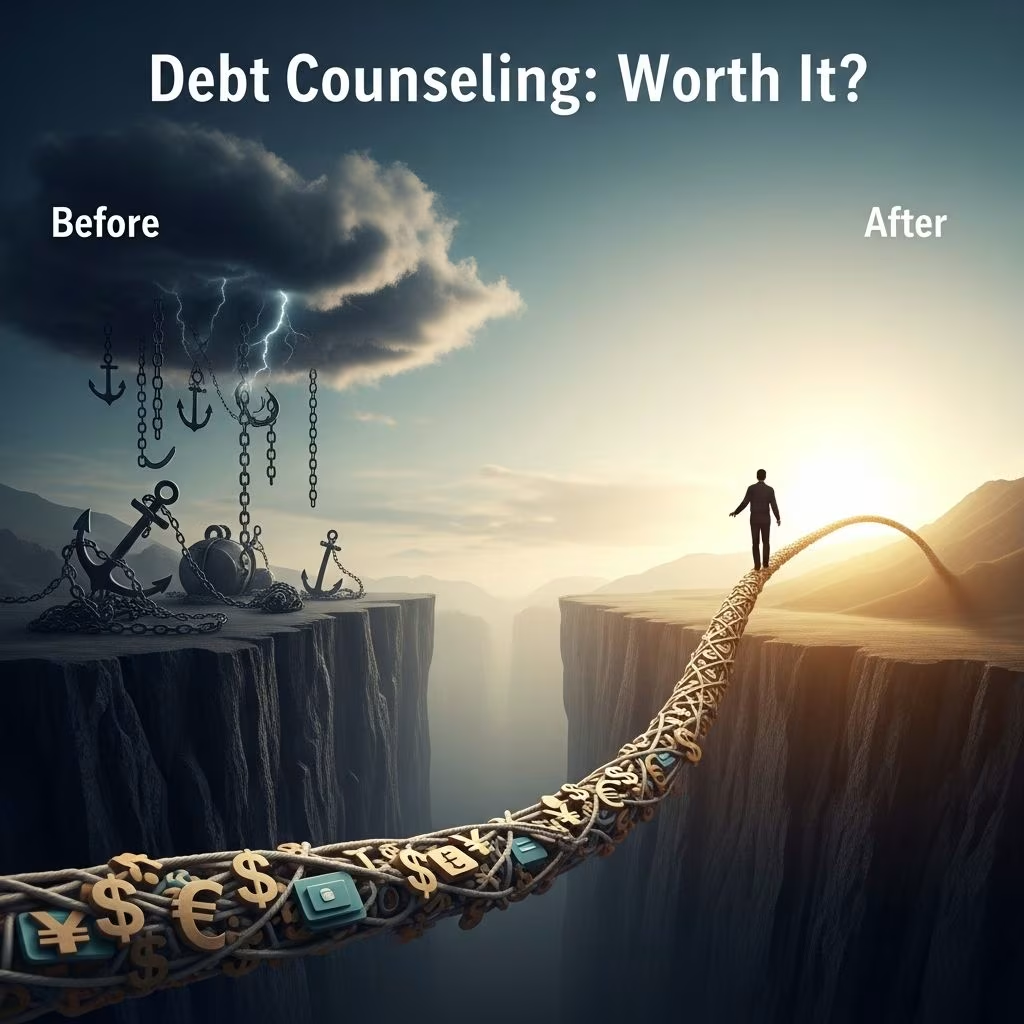
Debt counseling provides a structured path for individuals struggling with multiple debts, particularly unsecured ones like credit cards. Professional agencies assess your finances, offer budgeting advice, and may set up repayment plans that negotiate better terms with creditors. While not a one-size-fits-all solution, it helps many avoid harsher options like bankruptcy.
Understanding Debt Counseling Basics
Credit counseling agencies, often nonprofit, start with a review of your income, expenses, and debts. They educate on money management and may recommend a debt management plan (DMP), where you make one monthly payment to the agency, which distributes it to creditors. This differs from debt settlement, which involves negotiating to pay less than owed, or consolidation loans that combine debts into one with new terms.
Eligibility typically requires steady income to cover a feasible plan, usually spanning 3-5 years. Agencies prioritize basic living expenses in budgets before debt payments, ensuring sustainability.
Key Advantages of Enrolling in Debt Counseling
One primary benefit is simplified payments. Instead of juggling multiple due dates and amounts, a DMP consolidates everything into a single affordable installment.
- Negotiated Lower Rates: Counselors often secure reduced interest rates and waived fees, directing more funds to principal reduction.
- Collection Pause: Creditors usually halt aggressive calls and legal actions once enrolled, providing breathing room.
- Financial Education: Sessions teach budgeting, spending habits, and long-term planning, fostering independence.
- Credit Recovery Potential: Consistent payments build positive history; utilization drops as balances decrease.
These elements make counseling appealing for those current on payments but overwhelmed by high interest.
Potential Downsides and Challenges
Despite benefits, drawbacks exist. Fees include setup costs ($30-$50) and monthly charges ($20-$75), though nonprofits keep them low.
- Credit Restrictions: Participants must close enrolled accounts and avoid new credit, limiting options during the plan.
- Initial Score Impact: Closing accounts can raise utilization temporarily, dipping scores short-term.
- Not Universal: Applies mainly to unsecured debts; mortgages, auto loans, or student debt need separate handling.
- Time Commitment: Plans last 3-5 years with strict adherence required.
Some creditors may refuse participation, leaving partial coverage.
Comparing Debt Counseling to Other Relief Options
To decide if counseling fits, compare alternatives. Use this table for clarity:
| Option | Pros | Cons |
|---|---|---|
| Debt Counseling/DMP | Lower rates, one payment, education | Fees, no new credit, 3-5 years |
| Debt Settlement | Possible forgiveness | Credit damage, taxes on forgiven debt, high fees (15-25%) |
| Consolidation Loan | Single payment, fixed rate | Requires good credit, doesn’t reduce principal |
| Bankruptcy | Fresh start | Severe credit hit (7-10 years), asset risk |
Counseling suits those able to pay full principal over time, unlike settlement’s riskier reductions.
Steps to Find a Reputable Debt Counseling Agency
Not all agencies are equal; scams abound. Look for accreditation from NFCC or FCAA, transparent fees, and no upfront payments beyond assessments.
- Check free initial counseling; assess without commitment.
- Verify nonprofit status via IRS or BBB.
- Review client testimonials and success rates.
- Avoid promises of instant fixes or guaranteed settlements.
- Contact via official channels; compare multiple quotes.
Government resources like the FTC offer agency directories.
Impact on Your Credit Profile
Counseling itself doesn’t appear negatively on reports. DMP enrollment might show as ‘paying through plan,’ neutral if payments are on-time. Long-term, reduced balances and history improve scores.
Monitor via annual free reports from AnnualCreditReport.com. Post-plan, rebuild by securing starter credit responsibly.
Realistic Expectations and Success Factors
Success hinges on discipline. Those with income covering essentials plus debt thrive; high earners with low spending see faster exits. Track progress monthly; adjust budgets as needed.
If circumstances change (job loss), agencies often renegotiate. Completion rates exceed 60% for committed participants.
Frequently Asked Questions
Does debt counseling hurt my credit score?
Not directly; closing accounts may cause a temporary drop, but on-time payments recover it.
How much does it cost?
Setup $30-50, monthly $20-75, often negotiable or slidable for hardship.
Can I keep using credit cards?
No, enrolled cards close; new credit barred to ensure repayment focus.
Is it better than bankruptcy?
Yes for preserving credit and assets, but requires ability to pay full principal.
How long until debt-free?
Typically 3-5 years, depending on totals and rates.
Who qualifies?
Those with steady income, unsecured debt under manageable levels post-negotiation.
When Debt Counseling Isn’t the Answer
If debts exceed repayment capacity or include secured loans, explore settlements, loans, or legal aid. High earners might DIY via balance transfers.
Consult advisors for personalized fits; combine with income boosts or cuts for best results.
References
- Pros and cons of debt counselling — Standard Bank. 2023. https://www.standardbank.co.za/southafrica/personal/about-us/financial-education/credit-health/pros-and-cons-of-debt-counselling
- Credit Card Counseling Pros And Cons — Freedom Debt Relief. 2024-01-15. https://www.freedomdebtrelief.com/learn/debt-solutions/credit-card-counseling-pros-cons/
- The Pros And Cons Of Debt Relief Programs — Bankrate. 2025-03-10. https://www.bankrate.com/personal-finance/debt/pros-cons-of-debt-relief/
- Pros and Cons of Debt Settlement for Debt Relief — CCCS of Rochester. 2024. https://www.cccsofrochester.org/about/blog/pros-and-cons-of-debt-settlement-for-debt-relief
- Is Debt Counseling a Good Idea? — Experian. 2024-06-20. https://www.experian.com/blogs/ask-experian/is-debt-counseling-a-good-idea/
- Debt Relief Programs: The Pros and Cons of Each Type — NFCC. 2023-11-05. https://www.nfcc.org/blog/debt-relief-programs-the-pros-and-cons-of-each-type/
This article is general information, not personal financial advice. Consider your own situation, or speak with a licensed adviser, before acting on it.


