

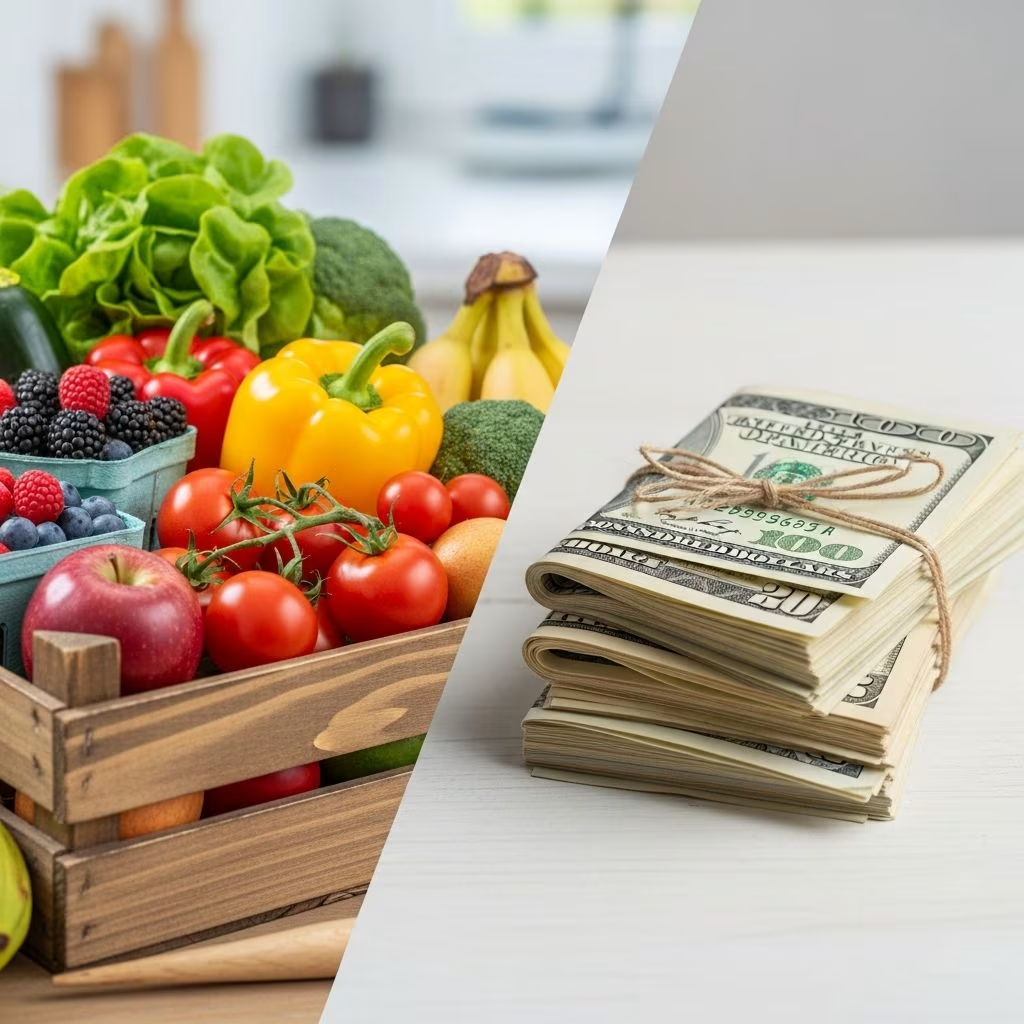
Food waste is a silent budget killer, contributing to household expenses while harming the environment. In the U.S., households throw away about 30-40% of their food supply, equating to roughly $1,500 per family annually according to USDA data. Simultaneously, impulsive spending and poor habits drain wallets further. This guide compiles the best strategies to curb both, drawing from frugal living principles to help you save money without sacrificing quality of life.
Understand the Scope of Food Waste
Food waste occurs at every stage—from purchase to plate. Common culprits include overbuying perishables, forgetting items in the fridge, and discarding ‘expired’ goods prematurely. The FDA notes that many ‘best by’ dates indicate quality, not safety, allowing safe consumption beyond them for most items. Reducing waste starts with awareness: track your trash for a week to identify patterns.
- Produce: 40% of wasted food; wilts from improper storage.
- Dairy and meats: Often tossed due to date confusion.
- Bread and leftovers: Forgotten or portioned poorly.
Smart Shopping Strategies
Prevention begins at the store. Create a meal plan for the week, listing recipes and required ingredients. Check your pantry first to avoid duplicates. Stick to a shopping list—studies from the USDA show list-users waste 25% less food.
| Shopping Habit | Potential Savings | Tip |
|---|---|---|
| Buy in bulk (non-perishables) | $200/year | Freeze extras immediately. |
| Choose loose produce | $50/year | Buy only what you need. |
| Shop sales/frozen | $300/year | Stock up on deals. |
Opt for wholesale clubs like Costco for staples, but calculate per-unit costs. Apps like Flipp aggregate coupons, saving 10-20% per trip.
Proper Storage Techniques
Invest in storage solutions: breathable bags for greens, airtight containers for grains. Refrigerate ethylene producers (apples, bananas) separately to slow ripening. The NRDC recommends first-in, first-out (FIFO) rotation: place new items behind old.
- Fruits/Veggies: Store herbs in water like flowers; wrap celery in foil.
- Pantry: Cool, dark places for oils, spices.
- Freezer: Label with dates; use within 3-6 months for best quality.
Meal Planning and Portion Control
Plan meals around sales and what’s in-hand. Use plate method: half veggies, quarter protein, quarter grains to minimize leftovers. Batch-cook and freeze portions. Tools like Eat This Much generate plans based on your inventory.
Weekly Template:
- Sunday: Plan 5-7 dinners + lunches.
- Monday: Grocery shop.
- Mid-week: Use leftovers night.
- Friday: Pantry clean-out meal.
Creative Ways to Use Leftovers
Transform scraps into meals: veggie peels into stock, stale bread into croutons. Stir-fries, frittatas, and soups absorb odds and ends. Apps like SuperCook suggest recipes from ingredients you have.
- Roast chicken carcass → soup.
- Overripe bananas → smoothies/bread.
- Rice + veggies → fried rice.
Composting and Beyond
For unavoidable scraps, compost to enrich soil. Backyard bins or community programs turn waste into fertilizer. This closes the loop, reducing landfill methane—a potent greenhouse gas per EPA reports.
Cutting Non-Food Waste and Expenses
Frugality extends beyond kitchen. Audit subscriptions (gym, streaming)—cancel unused ones. Delay non-essentials like haircuts; learn DIY skills via YouTube.
- Entertainment: Library, free parks over paid outings.
- Transport: Bike/walk; carpool.
- Shopping: Buy used via thrift stores, apps like OfferUp.
Extreme Saving Tactics (Use Wisely)
For tough times: dumpster dive safely (check local laws), hoard free samples, negotiate bills. Moderation key—health first. Reusable swaps (cloth bags, rags) cut disposables.
Frequently Asked Questions (FAQs)
Q: Is it safe to eat food past its ‘best by’ date?
A: Yes, for most items—check for spoilage signs like mold or off smells. Only baby formula has true expiration dates.
Q: How much can I save reducing food waste?
A: Up to $1,500/year per household, per USDA estimates.
Q: What’s the best way to start meal planning?
A: Inventory pantry/fridge, pick 3-5 recipes, build list around them.
Q: Are wholesale clubs worth it?
A: Yes for bulk buys, but compare unit prices and factor membership fees.
Q: How to avoid impulse buys?
A: Shop with list, eat before going, use cash only.
Track Progress and Stay Motivated
Log savings in apps like Mint. Challenge family to zero-waste weeks. Rewards build habits—celebrate with free park picnic.
Implementing these tips holistically transforms waste into wealth. Start small: one change weekly yields compounding savings.
References
- Food Date Labeling Explained — FDA. 2023-01-15. https://www.fda.gov/food/buy-store-serve-safe-food/food-date-labels
- Household Food Waste in the United States — USDA. 2024-07-20. https://www.usda.gov/media/blog/2016/12/29/facts-about-food-loss-and-waste
- Wasted Food Scale — NRDC. 2023-11-10. https://www.nrdc.org/resources/wasted-how-america-wastes-one-third-its-food
- Basic Information about Food Waste — EPA. 2025-03-05. https://www.epa.gov/sustainable-management-food/basic-information-about-food-waste
- Consumer Food Waste Reduction Guidelines — USDA Economic Research Service. 2024-02-12. https://www.ers.usda.gov/topics/food-markets-prices/food-waste-loss/
- Food Recovery Hierarchy — EPA. 2024-09-18. https://www.epa.gov/sustainable-management-food/food-recovery-hierarchy
This article is general information, not personal financial advice. Consider your own situation, or speak with a licensed adviser, before acting on it.


