

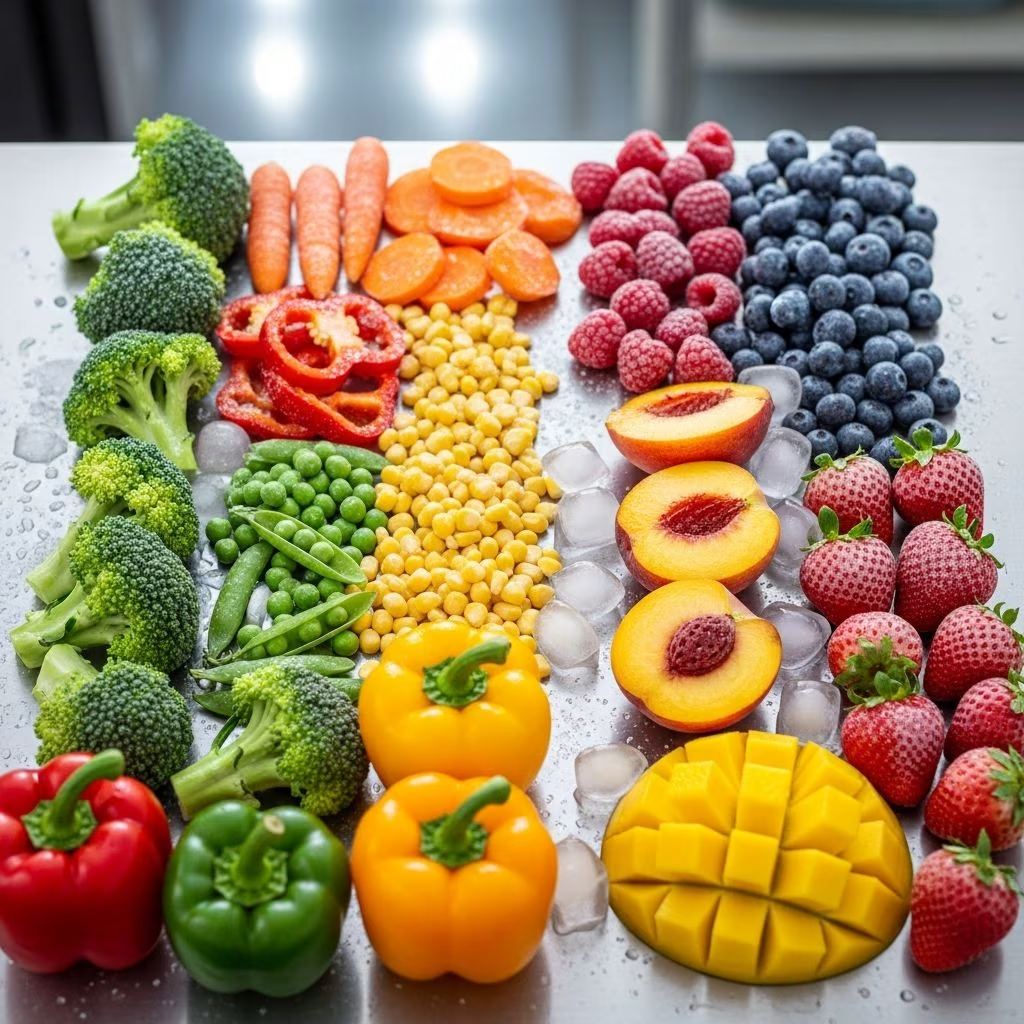
Freezing vegetables and fruits at home is one of the smartest ways to stretch your grocery budget, reduce food waste, and keep nutrient-packed produce on hand year-round. Whether you scored a deal at the farmers market, harvested from your garden, or simply want to preserve peak-season freshness, proper freezing techniques ensure your bounty tastes just-picked even in the dead of winter. This guide covers everything from blanching basics to storage hacks, helping you save hundreds on groceries annually while enjoying healthier, home-preserved meals.
Recent research shows frozen produce can retain equal or superior vitamin levels compared to fresh counterparts, as it’s often flash-frozen at peak ripeness.Blanching—a quick boil-and-ice-bath method—is crucial for most vegetables to halt enzymes that degrade texture and nutrition post-harvest. Fruits, being higher in sugar and acid, freeze beautifully with minimal prep. Expect to invest in freezer bags, a blanching pot, and labels, but the payoff is massive: no more tossing limp carrots or mushy berries.
Why Freeze Your Own Produce?
Store-bought frozen items are convenient, but DIY freezing lets you control quality, portion sizes, and costs. Buy in-season produce at rock-bottom prices—think strawberries at $1 per pound in summer—and freeze for winter smoothies or pies. It extends shelf life indefinitely when done right, far outlasting fresh produce that wilts in days. Plus, it’s eco-friendly: less waste means a smaller carbon footprint from avoided grocery runs.
- Cost Savings: Freeze bulk buys to avoid spoilage; one overgrown zucchini haul can yield months of stir-fries.
- Nutrition Boost: Locked-in vitamins A, C, and antioxidants rival or exceed fresh store-bought options.
- Flavor Superiority: Harvest or buy at peak ripeness for unmatched taste.
- Convenience: Prepped portions ready for soups, sauces, or snacks—no chopping on busy nights.
General Freezing Guidelines
Success starts with quality produce: choose firm, ripe items free of bruises. Wash thoroughly, pat dry, and work in small batches to avoid rushed mistakes. Use moisture- and vapor-proof freezer bags or containers; squeeze out air to prevent freezer burn. Label with contents and date—aim to use within 8-12 months for best quality, though safe indefinitely at 0°F.
| Produce Type | Prep Time | Storage Time | Best Uses |
|---|---|---|---|
| Vegetables (blanched) | 20-30 min/batch | 8-12 months | Soups, casseroles |
| Fruits (raw or sugared) | 10-20 min/batch | 10-12 months | Smoothies, desserts |
| Herbs | 5 min | 6 months | Pestos, garnishes |
Freeze in single layers on trays first (flash-freezing) for loose pieces that don’t clump. Maintain freezer at 0°F; organize by type for easy access.
How to Freeze Vegetables
Vegetables require blanching to preserve color, flavor, and nutrients by deactivating enzymes. Sort, wash, trim, and cut into uniform sizes. Boil in unsalted water 1-5 minutes (timing per veggie), then plunge into ice water to stop cooking. Drain, pat dry, pack, and freeze.
Blanching Chart for Popular Vegetables
- Asparagus: Trim woody ends; blanch 2-4 min (small/medium spears). Cool, bundle, freeze. Great for stir-fries.
- Beans (Green/Snap): Trim ends; blanch 3 min. Ice bath, pat dry, bag. Perfect for salads or sides.
- Broccoli/Cauliflower: Florets 1-inch; blanch 3 min. Stems separately 4 min. Steam-blanch option for less waterlog.
- Carrots: Peel, slice ¼-inch; blanch 2 min. Slices freeze flat for soups.
- Corn: Husk, blanch ears 7-11 min or kernels 4 min off-cob. Cut kernels post-blanch for creamed corn.
- Peas: Shell, blanch 1½-2 min. Sweet peas shine in fried rice.
- Peppers: Seed, slice; no blanch needed. Dice for fajitas or stuffings.
- Squash (Summer): Slice ½-inch; blanch 3 min. Zucchini bread or sautés.
- Spinach/Leafy Greens: Blanch 1½-2 min, squeeze water out, pack. Portion for smoothies.
Pro Tip: Over-blanching makes mush; under-blanching dulls color. Test small batches.
How to Freeze Fruits
Fruits freeze raw—no blanching—thanks to natural preservatives. Select fully ripe but firm specimens. Wash, dry, hull/pit, and slice if needed. Options: dry pack (plain), sugar pack (sprinkle ½-1 cup sugar per quart for pies), or syrup pack (40% sugar syrup for whole fruits).
Best Methods by Fruit
- Berries (Strawberries, Blueberries, Raspberries): Hull/wash gently; flash-freeze whole on trays, then bag. Avoid rinsing raspberries until use. Ideal for yogurt or baking.
- Apples: Peel/core/slice; treat with lemon juice to prevent browning. Sugar pack best for pies.
- Bananas: Peel, slice or mash; freeze in bags. Smoothie staple or nice cream base.
- Citrus: Juice or segment; freeze in ice cube trays for drinks. Zest separately.
- Melons: Cube seedless flesh; syrup pack optional. Refreshing sorbets.
- Peaches/Nectarines: Peel (blanch to slip skins), slice; sugar or syrup. Cobblers await.
- Pineapple: Core, cube; dry or syrup. Tropical smoothies.
Sugar packs yield juicier thaws but add calories; dry packs suit most recipes. Flash-freeze to keep pieces separate.
Special Freezing Techniques
Freezing Herbs
Chop washed herbs, mix with water or oil into ice cube trays. Pop cubes into bags for portioned pestos or soups. Basil, parsley, cilantro freeze best; delicate mint dries instead.
Freezing Tomatoes
Skip blanching: wash, dry, freeze whole. Thaw for sauces (skins slip off); or chop/dice first. Roma varieties excel for salsas.
Freezing Cooked or Pureed Items
Puree pumpkin or squash post-cooking; portion in cups. Freeze stocks, pestos, or pie fillings flat in bags.
Storage and Organization Tips
Maximize space with vacuum sealers or straws to suck air from bags. Stack flat, use bins labeled ‘Veggies Top Shelf.’ Rotate stock: first in, first out. Power outage? Food safe 48 hours if door closed.
- Portion for recipes: 2-cup bags for sauces.
- Avoid glass jars—explosion risk.
- Track inventory with a freezer log.
Using Your Frozen Bounty
Thaw in fridge overnight or use frozen in smoothies/soups. Avoid room-temp thaw to curb bacteria. Texture changes (softer veggies/fruits) suit cooked dishes over salads. Blend thawed berries into jams; toss veggies in roasts.
Frequently Asked Questions (FAQs)
Can you freeze lettuce or cucumbers?
No—high water content makes them mushy. Use fresh or pickle instead.
Is blanching absolutely necessary for vegetables?
Yes for most; it preserves quality. Skip for peppers, onions, pumpkins.
How long do home-frozen fruits and veggies last?
Quality peaks at 8-12 months; safe longer if frozen solid.
Does freezing kill nutrients?
No—often retains more than fresh shipped produce.
Can I refreeze thawed produce?
Only if thawed in fridge and still icy-cold; quality drops.
Bonus: Budget Impact
Freezing slashes waste (average family tosses $1,500 food yearly) and leverages sales. Gardeners: preserve gluts. Shoppers: bulk buys pay off fast.
References
- Make the Most of Your Frozen Fruit and Vegetable Supply — The Hour. 2019-05-15. https://www.thehour.com/business/article/Make-the-Most-of-Your-Frozen-Fruit-and-Vegetable-15183821.php
- Making Ends Meet: How to extend the shelf life of fruits and vegetables — News4JAX. 2024-09-10. https://www.news4jax.com/news/local/2024/09/10/making-ends-meet-how-to-extend-the-shelf-life-of-fruits-and-vegetables/
- Freezing Vegetables and Fruits — The Penny Hoarder. Accessed 2026. https://www.thepennyhoarder.com/save-money/freezing-vegetables-and-fruits/
- USDA Complete Guide to Home Canning and Freezing — United States Department of Agriculture. 2023-07-01. https://nchfp.uga.edu/publications/publications_usda.html
- Freezing Fruits and Vegetables — National Center for Home Food Preservation (USDA partner). 2024-02-14. https://nchfp.uga.edu/how/freeze.html
This article is general information, not personal financial advice. Consider your own situation, or speak with a licensed adviser, before acting on it.


