

Constantly buying things you do not need can quietly drain your bank account, keep you in debt, and delay your financial goals. Overshopping is common, but it does not have to define your relationship with money. With the right strategies, you can learn how to stop shopping mindlessly and start using your money in a way that supports your values and long-term plans.
This guide walks you through why it is so easy to overshop, how it impacts your finances and wellbeing, and the exact steps you can take to regain control. You will also find practical ideas, examples, and answers to frequently asked questions to help you put these strategies into action.
Why you may struggle to stop shopping
Before you can change your behavior, it helps to understand what is driving it. Overshopping is rarely just about “liking nice things”. Often, there are emotional, social, and environmental triggers that push you to spend more than you intend.
Emotional and psychological triggers
Many people shop to cope with uncomfortable emotions such as stress, sadness, boredom, or anxiety. Research in consumer psychology shows that buying can briefly boost mood due to the brain’s reward pathways, but the effect is short-lived and can be followed by guilt or regret.
- Stress relief shopping: Reaching for online carts or mall trips after a tough day at work.
- Comfort shopping: Buying to feel better after conflict, disappointment, or loneliness.
- Boredom shopping: Browsing apps when you are idle, which quickly turns into impulse purchases.
- Identity shopping: Purchasing items to feel successful, stylish, or “enough” in comparison to others.
Over time, this pattern trains your brain to look to shopping as a quick fix for negative feelings, making the habit stronger.
Social media, marketing, and comparison
It has never been easier to spend without thinking. Social media platforms and online stores are designed to keep you engaged and encourage instant purchases. Many users see a constant stream of influencers, targeted ads, and “limited-time” sales that create urgency and fear of missing out.
- “Add to cart” buttons and one-click checkouts remove friction from spending.
- Algorithms show you items similar to what you have already browsed or bought.
- Friends and influencers often share new purchases, which can create subtle pressure to keep up.
When this becomes part of your daily routine, overshopping can feel normal, even if it is harming your finances.
Underlying money mindset and beliefs
Your past experiences with money, family dynamics, and cultural messages shape how you see spending. If you grew up feeling deprived, you might overspend now to avoid that feeling. If money feels uncertain or overwhelming, you might avoid looking at your accounts and instead focus on the short-term pleasure of buying something new.
Common beliefs that fuel overshopping include:
- “I deserve a treat because I work hard.”
- “I will start saving later when I earn more.”
- “Everyone else has these things; I need them too.”
- “Money is confusing, so I just will not think about it.”
Shifting these beliefs is a key part of learning how to stop shopping and spend in line with your goals.
How overshopping affects your finances and life
Occasional treats are not the problem. It is the ongoing pattern of buying more than you can comfortably afford that causes damage. The consequences are often bigger than they first appear.
Financial consequences of constant shopping
| Impact | How overshopping contributes |
|---|---|
| High-interest debt | Regular impulse purchases on credit cards can build balances that are difficult to pay off, especially at high interest rates. |
| Lack of savings | Money that could fund an emergency savings account, retirement, or other goals gets diverted to non-essential items. |
| Irregular cash flow | Spikes in discretionary spending can cause overdrafts, late fees, and difficulty covering bills on time. |
| Opportunity cost | Every dollar spent on items you barely use is a dollar not invested or used to pay down debt. |
Emotional and practical downsides
Beyond the numbers, overshopping can affect how you feel day-to-day and how you live at home.
- Guilt and shame: Feeling embarrassed about how much you spend or hiding purchases from loved ones.
- Clutter and disorganization: Too many belongings can make it hard to find what you own and enjoy your space.
- Relationship tension: Disagreements about money are a common source of conflict in relationships.
- Stress and anxiety: Worrying about debt, bills, and whether you can reach future goals.
Recognizing these downsides is not about judgment; it is about clarifying why change is worth the effort.
Step-by-step strategies to stop shopping
Stopping overshopping is not about never spending again. It is about putting structure and intention around your choices so that you feel in control. These steps are designed to help you move from autopilot spending to conscious decision-making.
1. Get clear on your “why” for spending less
When you know exactly what you want your money to do for you, it becomes easier to say no to unnecessary purchases. Take a few minutes to write down your top financial priorities.
- Paying off high-interest debt.
- Building an emergency fund.
- Saving for a home, education, or a career change.
- Investing for retirement or long-term security.
Keep your list where you will see it often—on your phone, in your wallet, or near your computer. When you feel tempted to shop, pause and ask: “Does this purchase move me closer to or further from my goals?”
2. Track your spending to spot patterns
It is difficult to change what you do not measure. Tracking your spending helps you see where your money is going and which purchases you regret. Many financial educators and regulators recommend reviewing your transactions at least monthly to stay in control of your budget.
- Download your last one to three months of bank and credit card statements.
- Highlight or tag every non-essential or impulse purchase.
- Look for patterns: time of day, specific stores, emotions, or triggers that show up repeatedly.
Once you understand your overspending hotspots, you can target them with specific strategies instead of relying on willpower alone.
3. Set clear shopping rules and boundaries
Rules might sound restrictive, but they actually reduce decision fatigue. Think of them as guardrails that keep you from drifting into unplanned spending.
Examples of helpful rules include:
- No-buy or low-buy periods: Commit to buying only essentials (like groceries and bills) for a set time, or significantly reducing discretionary purchases.
- Waiting period rule: Wait 24–72 hours before purchasing non-essential items so you can reassess after the initial urge fades.
- Spending caps: Set a monthly limit for categories like clothes, beauty, or entertainment.
- One-in-one-out rule: For every new item you bring into your home, donate or sell one you already own.
Start with a few rules that feel challenging but realistic. You can adjust them over time as your habits improve.
4. Build a realistic budget that reflects your values
Learning how to stop shopping is much easier when you have a budget that supports both your needs and your genuine priorities. A budget is simply a plan for how you will use your income each month.
- List your net income (after taxes).
- Write down fixed expenses like rent, utilities, insurance, and minimum debt payments.
- Estimate variable expenses including groceries, transportation, and discretionary categories.
- Assign specific amounts to savings, debt payoff, and investments.
If you regularly overspend in one category (such as clothing or eating out), reduce that amount and increase contributions to your highest-priority goals. Revisit your budget monthly to make sure it still fits your reality.
5. Remove or reduce triggers that lead to overshopping
Environment matters. If you want to stop shopping, make it less convenient to overspend and more convenient to stick to your plan.
- Unsubscribe from retailer emails and promotional newsletters.
- Unfollow or mute accounts that regularly tempt you to shop.
- Delete shopping apps from your phone or move them to a less accessible folder.
- Avoid “just browsing” in stores or on websites when you are bored or emotional.
These small changes create distance between you and impulsive spending opportunities, giving you more time to make thoughtful choices.
6. Use practical tools to limit spending
Alongside mindset and environment shifts, certain tools can help you control how much you spend.
- Cash envelopes: Withdraw cash for categories like dining out or personal spending. When the envelope is empty, you stop for the month.
- Separate accounts: Use a dedicated account for discretionary spending and another for bills and savings.
- Spending alerts: Turn on bank or card notifications when transactions exceed a certain amount.
- Pre-planned lists: Always shop with a written list and stick to it, especially for groceries and household items.
Combining these tools with your rules and goals can significantly reduce unplanned purchases.
7. Find healthier ways to cope with emotions and boredom
If shopping has become your default response to stress or boredom, you will need replacement habits. The goal is not just to remove shopping but to add activities that genuinely help you feel better.
Try creating a personal “comfort menu” you can turn to instead of spending. Include options such as:
- Calling or texting a friend.
- Going for a walk, doing light exercise, or stretching.
- Journaling your thoughts or practicing a brief meditation.
- Engaging in a hobby like reading, crafts, music, or cooking with what you already have.
Over time, these alternatives can weaken the association between negative emotions and the urge to shop.
8. Declutter and use what you already own
Going through your belongings can be an eye-opening way to see the real cost of overshopping. Many people discover forgotten items, duplicates, or things they bought and never used.
- Start with one area, like your closet or bathroom cabinet.
- Group similar items together so you can see what you own.
- Make a plan to use up products before buying replacements.
- Donate, gift, or sell items that no longer fit your life or values.
Decluttering helps you appreciate what you have and can create a natural resistance to bringing more into your space.
9. Redirect the money you save to meaningful goals
Stopping shopping is easier when you see positive results quickly. Each time you decide not to buy something, move that money toward a specific goal.
- Set up automatic transfers to your savings or investment accounts.
- Make extra payments on high-interest debt.
- Create a visual tracker or chart showing your progress.
Seeing your savings or debt balance change can be far more satisfying than another impulse purchase, especially as the amounts grow.
10. Be patient with yourself and adjust as needed
Breaking a shopping habit takes time. There may be days when you slip or spend more than you planned. Instead of giving up, treat these moments as information.
- Ask what triggered the spending and how you were feeling.
- Review your rules and environment—do they need to be stronger or more realistic?
- Celebrate small wins, like a week without impulse purchases or sticking to your grocery list.
Consistency matters more than perfection. Every intentional decision builds a stronger foundation for your financial future.
FAQs: How to stop shopping and overspending
Q: Is overshopping the same as a shopping addiction?
A: Not everyone who overspends has a clinical addiction, but some people do struggle with compulsive buying behavior that feels out of control and continues despite serious consequences. If shopping is causing severe distress, harming your relationships or work, or you feel unable to stop, it can be helpful to speak with a licensed mental health professional familiar with impulse-control or behavioral addictions.
Q: How can I stop shopping online specifically?
A: To curb online shopping, remove saved payment methods, log out of shopping sites, delete or hide apps, and block or limit access to certain websites during your most vulnerable times. Always create a written list and a budget before intentionally going online to buy something, and use a cooling-off period before checking out.
Q: Can I still enjoy life if I spend less?
A: Yes. The goal is not to remove all fun, but to spend on what genuinely matters to you instead of reacting to every impulse. Many people find they enjoy experiences, rest, relationships, and financial progress more than accumulating new items. Aligning spending with your values can increase overall satisfaction rather than reduce it.
Q: How long does it take to break a shopping habit?
A: The timeline varies by person, but many people notice improvements within a few weeks of actively tracking spending, using waiting periods, and limiting triggers. Research on habit formation suggests that building new habits often takes several weeks to a few months, depending on complexity and consistency, so it is important to stay patient and persistent.
Q: What if my friends or family encourage me to shop?
A: Social pressure can be strong. Communicate your goals clearly and suggest alternative activities that do not revolve around spending, such as walks, game nights, or home-cooked meals. If certain environments or people consistently undermine your efforts, you may need to limit exposure while you strengthen your new habits.
Q: Should I cut up my credit cards to stop shopping?
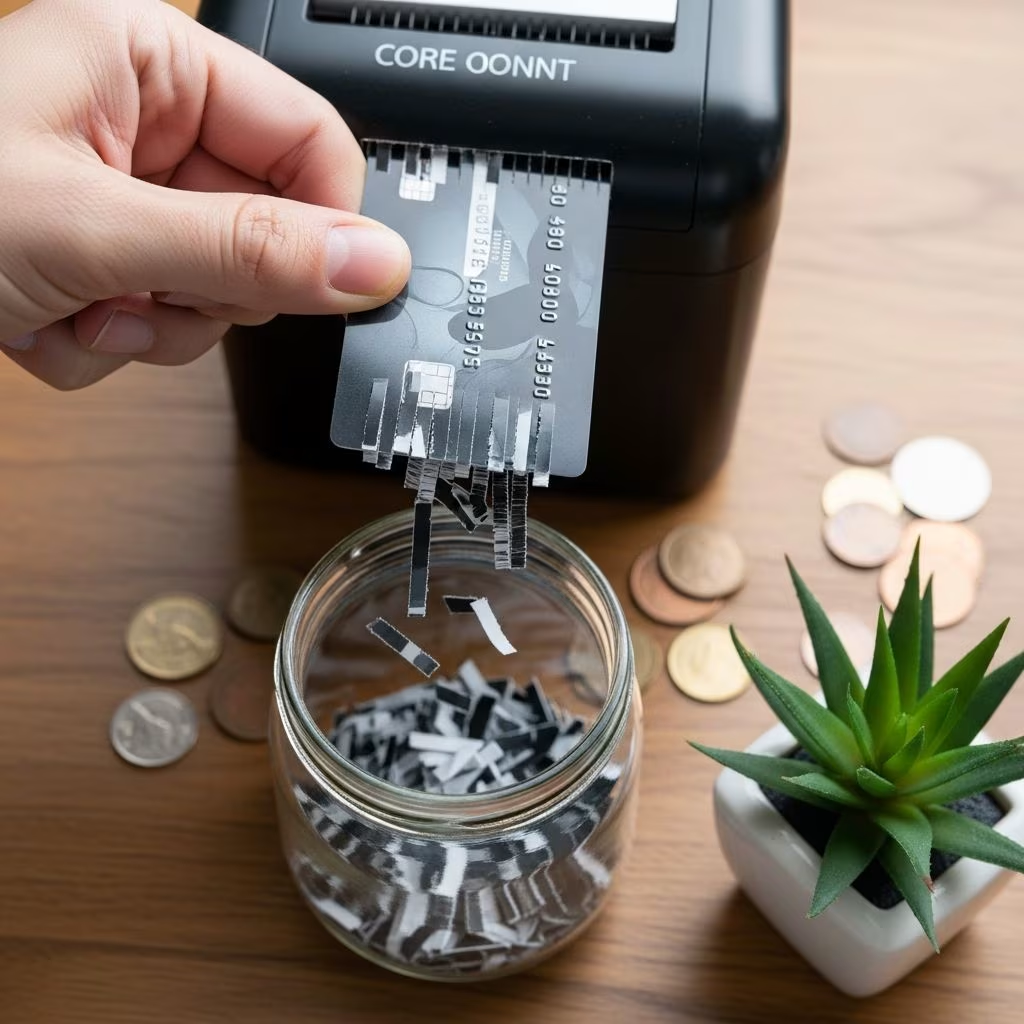
A: For some people, temporarily removing access to credit cards can help break the cycle of impulse spending. Others prefer to keep one card for emergencies and use tools like spending alerts, lower limits, or cash-only rules for discretionary purchases. Choose the approach that best supports your self-control and financial safety.
References
- Compulsive Buying Disorder: A Review and Update — Müller, A. et al., Current Addiction Reports. 2019-06-01. https://doi.org/10.1007/s40429-019-00259-4
- Compulsive buying: a phenomenological exploration — O’Guinn, T. C., & Faber, R. J., Journal of Consumer Research. 1989-09-01. https://doi.org/10.1086/209204
- The impact of social media on consumer buying behaviour — Statista / Industry reports summary. 2023-07-01. https://www.statista.com/topics/2478/online-shopping-behavior/
- Financial Capability in the United States — FINRA Investor Education Foundation. 2022-11-01. https://www.finrafoundation.org/knowledge-we-gain-share/nfcs
- Managing Debt — Consumer Financial Protection Bureau (CFPB). 2023-05-10. https://www.consumerfinance.gov/consumer-tools/debt-collection/
- Financial Management in Marriage — American Psychological Association. 2019-02-01. https://www.apa.org/topics/marriage-divorce/finances
- Building a Budget — U.S. Financial Literacy and Education Commission (MyMoney.gov). 2022-03-15. https://mymoney.gov/make-budget
- How are habits formed: Modelling habit formation in the real world — Lally, P. et al., European Journal of Social Psychology. 2010-07-16. https://doi.org/10.1002/ejsp.674
This article is general information, not personal financial advice. Consider your own situation, or speak with a licensed adviser, before acting on it.


