

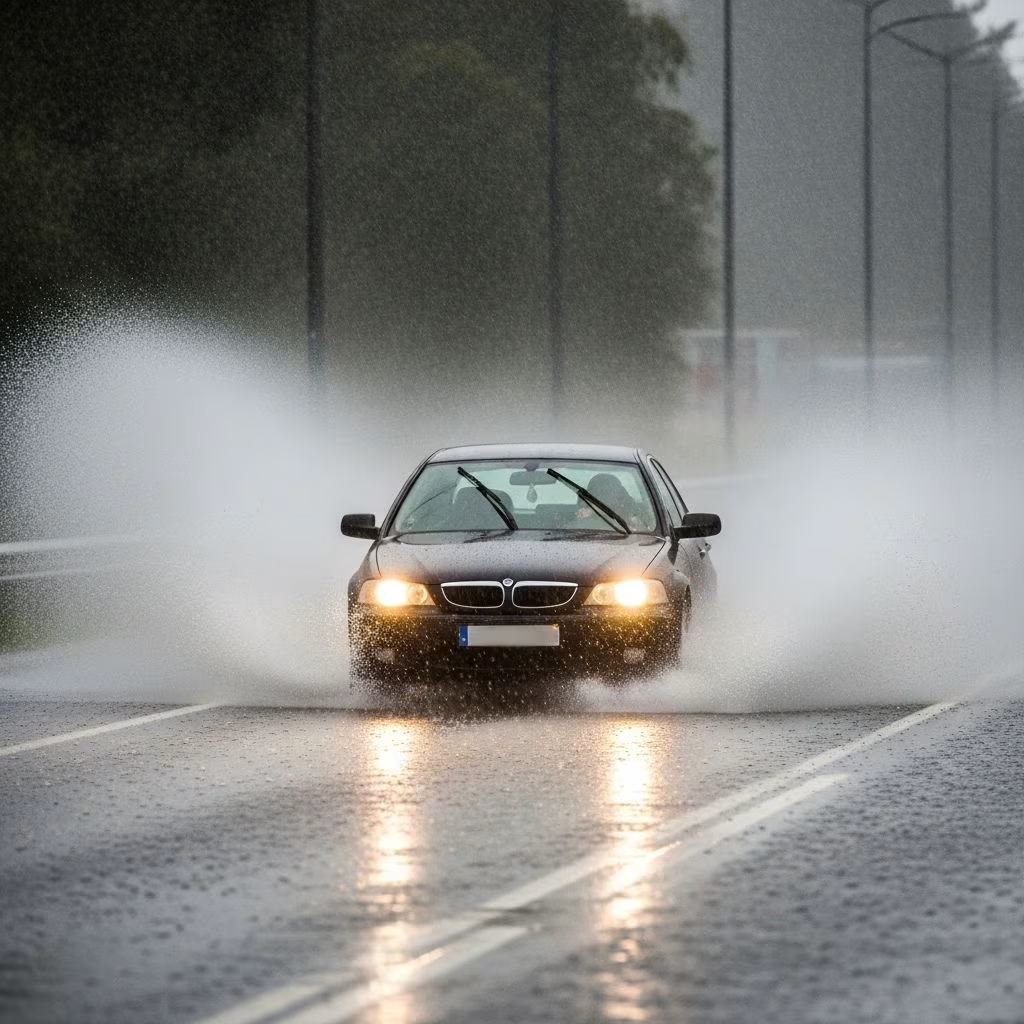
Hydroplaning occurs when a vehicle’s tires lose contact with the road surface due to a layer of water, leading to reduced traction, steering, and braking control.
The Science Behind Tire-Road Separation
When driving on wet surfaces, tires rely on tread grooves to channel water away and maintain grip. If water accumulates faster than the tires can displace it, pressure builds under the tire’s leading edge, lifting it slightly off the pavement. This creates a slippery film, turning the vehicle into an uncontrolled sled-like state.
The phenomenon, also called aquaplaning, depends on water depth, vehicle speed, and tire condition. Even shallow water—less than an inch—can initiate it at highway speeds, as the dynamic forces prevent effective water evacuation.
Conditions That Heighten Hydroplaning Danger
Certain weather and road scenarios amplify the risk significantly.
- Intense rainfall:** Heavy downpours create standing water on highways, overwhelming tire channels.
- Poor drainage areas:** Potholes, dips, and uneven surfaces trap water, forming hidden hazards.
- Contaminated surfaces:** Wet leaves, oil residues, or debris reduce friction further, mimicking deeper water effects.
- Cold weather mixes:** Slush or snowmelt introduces viscous layers that exacerbate tire lift-off.
First rains after dry spells are particularly risky, as roads accumulate oils and grime, creating slick patches.
Primary Factors Driving Hydroplaning Incidents
Several controllable and uncontrollable elements converge to cause this loss of control.
| Factor | Impact on Risk | Example Threshold |
|---|---|---|
| Vehicle Speed | Higher speeds give tires less time to displace water | 35+ mph in shallow water |
| Tire Tread Depth | Worn treads (<2/32 inch) can’t channel water effectively | Replace at 2/32 inch minimum |
| Tire Pressure | Under-inflation reduces contact patch and water evacuation | Check monthly per vehicle specs |
| Water Depth | Deeper standing water lowers the speed needed for lift-off | As little as 1/4 inch at 55 mph |
Speed stands out as the most influential, with risk escalating exponentially above 40 mph. Tire maintenance directly counters this, as fresh tread can displace up to twice the water volume of worn ones.
Spotting the Onset of Hydroplaning
Early detection can prevent escalation. Drivers often notice subtle cues before full loss of control.
- Audible sloshing or splashing from tires hitting water pockets
- Steering wheel vibrations or unresponsiveness
- Delayed or absent brake feedback
- Sudden drifting or floating sensation, as if on ice
- Visual alerts like visible puddles or spray from nearby vehicles
These signs typically emerge in the first 20-30 minutes of rain, when roads are most slippery. Proactive scanning of the road ahead helps anticipate trouble spots.
Immediate Actions During Hydroplaning
Recovery demands calm, counterintuitive responses to regain traction without worsening the skid.
- Ease off the accelerator:** Gradually reduce throttle to decrease speed without sudden weight shifts.
- Avoid hard braking:** Pumping brakes or slamming them locks wheels, prolonging the slide. Use threshold braking if equipped with ABS.
- Steer steadily:** Hold the wheel firmly and steer into the skid’s direction until tires reconnect.
- Maintain straight-line focus:** Don’t overcorrect; let physics restore grip as speed drops below threshold.
Full recovery often occurs under 35 mph, once water pressure subsides. Panic maneuvers like sharp turns frequently cause spins or collisions.
Proactive Measures to Minimize Hydroplaning Risk
Preparation trumps reaction. Routine vehicle checks and adjusted driving habits form the best defense.
Tire Optimization Strategies
- Inspect tread depth regularly; use the penny test—Lincoln’s head fully visible means replace.
- Maintain proper inflation; under-inflated tires hydroplane at 10-15 mph lower speeds.
- Opt for all-season or rain-specific treads with deep sipes for superior water dispersion.
Driving Adjustments for Wet Conditions
- Reduce speed by 10-15 mph below limits in rain; increase following distance to 4+ seconds.
- Avoid puddles and center lane ruts where water pools.
- Activate headlights and wipers early for better visibility.
Vehicle Enhancements
Modern aids like ABS, traction control, and stability systems shorten recovery time. Ensure they’re serviced; four-wheel alignment prevents uneven wear that invites hydroplaning.
Hydroplaning’s Real-World Consequences
Beyond momentary scares, hydroplaning contributes to thousands of crashes yearly. Loss of control often leads to:
- Swerving into adjacent lanes or barriers
- Rear-end collisions from sudden stops
- Rollovers in high-center-of-gravity vehicles
- Increased injury risk from secondary impacts
Statistics from insurers highlight rain-related incidents spike 70% in the first hour of storms, underscoring prevention’s value.
Advanced Insights: Types of Hydroplaning
Experts classify hydroplaning variants, each with unique triggers.
- Dynamic:** Speed-induced tire lift in standing water; most common on roads.
- Viscous:** Thin water films on smooth surfaces, affecting low speeds.
- Reverted Rubber:** Heat from locked tires creates steam cushion; braking-related.
Aircraft face similar issues on runways, informing automotive safety research.
Frequently Asked Questions
What speed is safe in heavy rain?
No universal speed; stay below hydroplaning threshold (often 40-50 mph) based on tires and water depth. Prioritize control over haste.
Can new tires prevent hydroplaning entirely?
No, but they significantly raise the speed needed for it by improving water evacuation.
What if my car has ABS—does it help?
Yes, ABS prevents wheel lockup, aiding controlled braking during recovery.
Is hydroplaning worse in SUVs?
Higher profiles increase rollover risk post-hydroplane, but proper tires mitigate.
How often should I check tire pressure?
Monthly, and before long trips, as pressure drops 1 PSI weekly naturally.
Building a Rain-Ready Driving Routine
Integrate these habits: pre-trip tire scans, conservative speeds, and defensive positioning. Education via simulators or courses hones reflexes. Ultimately, hydroplaning underscores respect for wet roads—slow down, stay alert, and prioritize maintenance for safer journeys.
References
- Hydroplaning 101: Causes & Prevention Tips — Pedal Commander. 2023. https://pedalcommander.com/blogs/garage/hydroplaning-101-causes-risks-and-prevention-tips
- Hydroplaning: What is It and How Can You Avoid It? — Erie Insurance. 2024-10-15. https://www.erieinsurance.com/blog/need-know-hydroplaning
- Aquaplaning — Wikipedia (citing FAA standards). 2025-01-20. https://en.wikipedia.org/wiki/Aquaplaning
- Hydroplaning — Markel Insurance. 2024. https://www.markel.com/insights-and-resources/insights/hydroplaining
- Hydroplaning: What is it & What Causes It — Goodyear Tires. 2024. https://www.goodyear.com/en_US/learn/tire-basics/hydroplaning.html
- Hydroplane Car Accident Info and Statistics — USClaims. 2024. https://usclaims.com/educational-resources/a-risk-of-weather-related-crashes-hydroplaning/
- Everything You Need to Know About Hydroplaning — Tunerworks. 2023. https://tunerworks.com/blog/everything-you-need-to-know-about-hydroplaning/
This article is general information, not personal financial advice. Consider your own situation, or speak with a licensed adviser, before acting on it.


