

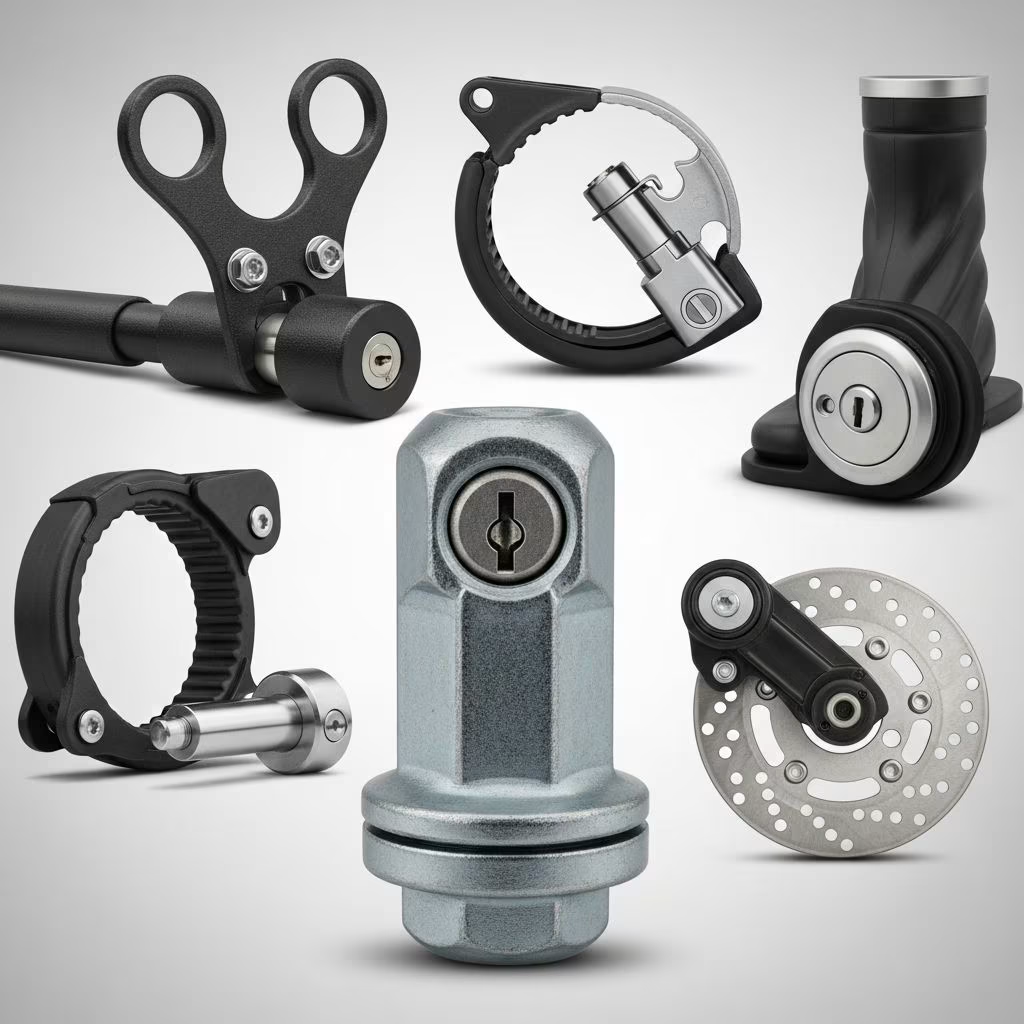
Vehicle owners often invest significantly in stylish rims and high-performance tires, but these upgrades can become targets for thieves. Wheel locks offer a straightforward solution to this problem, serving as specialized fasteners that make it far more difficult for criminals to remove your wheels. By replacing one standard lug nut per wheel with a lock that requires a unique key, these devices add a critical layer of deterrence without complicating everyday vehicle use too much.
Understanding the Basics of Wheel Locks
At their core, wheel locks are engineered lug nuts or bolts designed specifically to secure wheels against unauthorized removal. Unlike regular lug nuts, which can be loosened with any standard wrench or socket, wheel locks feature a distinctive pattern or shape on their head that only matches a provided key. This key acts like a socket adapter, gripping the lock in a way that standard tools cannot replicate.
Typically, a set includes four wheel locks—one for each wheel—along with a single key that fits all of them. The locks are made from durable materials like hardened steel or chrome-plated alloys to resist tampering, drilling, or cutting attempts. They blend seamlessly with your existing lug nuts, maintaining the aesthetic appeal of your wheels while providing hidden protection.
Why Wheel Theft Remains a Concern for Drivers
Wheel theft has surged in urban areas and high-crime neighborhoods, driven by the lucrative resale market for alloy rims and premium tires. Thieves can strip a vehicle’s wheels in under five minutes using basic tools like a jack and lug wrench, leaving the owner with a jacked-up car on cinder blocks. High-end rims from brands like BBS or OEM upgrades on luxury vehicles fetch hundreds of dollars on the black market.
Public parking lots, street-side spots, and long-term airport parking are hotspots for such crimes. Statistics from automotive security reports indicate that vehicles with visible expensive wheels are up to three times more likely to be targeted. Wheel locks address this vulnerability directly by introducing a time barrier—thieves lack the specific key and must move on to easier prey to avoid detection.
Key Advantages of Installing Wheel Locks
- Strong Deterrence Effect: The presence of even one lock per wheel forces thieves to carry specialized tools or abandon the job, significantly reducing successful thefts.
- Cost-Effective Security: Sets cost between $30 and $100, a fraction of replacement rim expenses, which can exceed $1,000 per wheel.
- Preserves Vehicle Value: Intact wheels maintain resale value and avoid costly repairs or towing fees post-theft.
- Simple Compatibility: Available for virtually all makes and models, including cars, trucks, and SUVs, with thread sizes matching factory specs.
- Minimal Maintenance Impact: Only requires the key for tire rotations or changes, which most owners perform infrequently.
These benefits make wheel locks a popular choice among dealerships, which often install them as standard on premium trims or as optional security packages.
Potential Drawbacks and How to Mitigate Them
No security device is perfect, and wheel locks have limitations. The primary issue is key management—losing it renders wheel removal impossible without professional intervention. Mechanics may need to use destructive methods like grinding or drilling, potentially damaging the wheel or hub.
| Pros | Cons |
|---|---|
| Excellent theft prevention | Key loss complications |
| Affordable and easy DIY install | May add time to tire services |
| Discreet appearance | Risk of improper torquing damage |
| Boosts insurance eligibility | Replacement keys cost $20-50 |
To counter these, store the key in a designated spot like the glovebox or with your spare tire tools. Opt for brands offering replacement key services by VIN or lock code, such as McGard or Gorilla Automotive. Always torque locks to manufacturer specs (usually 80-100 ft-lbs) to prevent loosening or stud damage.
Step-by-Step Installation Process
Installing wheel locks is a DIY-friendly task requiring basic tools and about 30 minutes. Follow these steps for optimal results:
- Gather Materials: Wheel lock set, torque wrench, 21mm lug socket, jack, and jack stands. Verify compatibility with your vehicle’s lug nut size (e.g., M12x1.5 or 14×1.5).
- Prepare the Vehicle: Park on level ground, engage the parking brake, and loosen lug nuts slightly before jacking up one corner.
- Remove Standard Nuts: Jack the vehicle, remove the wheel, and select one lug nut position per wheel for the lock (randomize positions for added security).
- Install Locks: Hand-thread the wheel lock, reinstall the wheel, and snug all nuts in a star pattern.
- Torque Properly: Lower the vehicle and torque all nuts, including locks, to spec using the key for locks.
- Repeat for All Wheels: Test by attempting removal with standard tools—failure confirms proper setup.
For safety, consult your owner’s manual for exact torque values. Professional installation at a tire shop costs $20-50 if preferred.
Choosing the Right Wheel Locks for Your Vehicle
Select locks based on material durability, key design, and brand reputation. Thin-line locks minimize interference with tight lug covers, while race-style locks suit performance cars. Avoid cheap no-name brands prone to stripping.
Top recommendations include:
- McGard Alloy Wheel Locks: Trusted for 50+ years, with VIN-based replacements.
- Gorilla Automotive: Patented groove designs resist common attacks.
- Factory OEM Sets: Often included on new vehicles for perfect fit.
Match thread pitch precisely to avoid hub damage. Splined, external hex, or ball seat types cater to different rim styles.
What to Do If You Lose Your Wheel Lock Key
Key loss happens—perhaps left at a shop or misplaced during moves. Immediate options include:
Short-Term Fixes: Master keys from some brands or mechanic removal services ($50-150).
Long-Term Solutions: Contact the manufacturer with lock pattern code (stamped on key or packaging) for duplicates ($20-40, 1-2 weeks shipping). Some provide multiples in sets.
Prevent recurrence by engraving your keys or using RFID trackers. Keep spares in your home safe, not solely in the vehicle.
Integrating Wheel Locks with Broader Vehicle Security
Wheel locks shine as part of a layered defense. Combine with steering wheel locks, visible alarms, GPS trackers, and parking in well-lit areas. For high-risk vehicles, etched VINs on rims further deter resale.
Insurance perks may include discounts for anti-theft devices—check with providers like AAA or Geico. Regular inspections ensure locks remain tight.
Frequently Asked Questions (FAQs)
Are wheel locks effective against professional thieves?
They deter opportunists effectively but pros may use power tools. Still, added time increases risk for thieves.
Do all cars come with wheel locks?
No, typically optional on base models or standard on luxury trims. Aftermarket easy add-on.
Can wheel locks damage my studs?
Only if overtightened or mismatched. Use torque wrench always.
How often should I check wheel locks?
During tire rotations (every 5,000-8,000 miles) or monthly visually.
Are there wheel locks for trucks?
Yes, heavy-duty versions for larger lug sizes up to 9/16-inch.
Final Considerations for Vehicle Owners
Wheel locks represent smart, proactive protection for modern drivers facing rising theft rates. Weighing their strong deterrence against minor inconveniences, they prove worthwhile for anyone with valuable wheels. Invest in quality, maintain diligently, and enjoy secured peace of mind on every drive.
References
- Importance and Benefits of Wheel Locks — Westgate Honda. 2023-05-15. https://www.westgatehonda.ca/wheel-locks/
- What Are Wheel Locks and How Do They Work? — Chase. 2024-08-20. https://www.chase.com/personal/auto/education/maintenance/what-are-wheel-locks
- Wheel Locks: What Are They And Do They Work? — Capital One Auto Navigator. 2024-03-12. https://www.capitalone.com/cars/learn/finding-the-right-car/wheel-locks-what-are-they-and-do-they-work/2353
- What’s a Wheel Lock? — Superior Transmissions & Auto. 2023-11-08. https://www.superiortransandauto.com/wheel-locks
- How Do Wheel Locks Work and Do I Need It? — AutoZone. 2024-01-22. http://autozone.com/diy/tire-wheel/how-do-wheel-locks-works
This article is general information, not personal financial advice. Consider your own situation, or speak with a licensed adviser, before acting on it.


